

The five rules that keep foragers alive
- 100% identification, or nothing. "Pretty sure" is how people end up in the ER. If you cannot name the plant with total confidence — genus, species, and every look-alike ruled out — you do not eat it.
- Learn the deadly ones first. Before you learn what to pick, learn what to never pick. Poison hemlock, water hemlock, deadly nightshade, and destroying-angel mushrooms are worth memorizing cold.
- One new plant at a time. Try a small amount of a single new edible and wait 24 hours. That way, if something disagrees with you, you know exactly what caused it.
- Know your ground. Skip roadsides (car exhaust and road salt), sprayed lawns, and industrial runoff. Wild doesn't mean clean.
- Take only what you'll use, and leave plenty. Foraging is a relationship with a place. Overharvesting ends it.
How to read a safety tier
Every wild edible in the Moon Phase Garden app carries a color-coded safety tier. It's a fast way to judge how much caution a plant demands before you ever get to the details.
| Tier | What it means |
|---|---|
| 🟢 Green | Hard to confuse with anything dangerous, forgiving to prepare. Good first foods — dandelion, chickweed, purslane. |
| 🟡 Yellow | Edible, but with a real caveat: a toxic look-alike, a required preparation step, or a part that must be avoided. Slow down and check every box. |
| 🔴 Red | Only for foragers with genuine experience. The margin for error is thin — the look-alike is dangerous, or the plant needs careful processing to be safe. |
The toxic look-alike panel is never hidden
This is the single most important design decision in the whole app, so it's worth stating plainly: every forage entry shows its dangerous look-alikes right next to the plant — always visible, never a tab you have to go find. A mistranslation or a hidden warning here isn't a typo, it's a poisoning. Some of the pairs worth knowing before you set foot outside:
| You want… | Never confuse it with… |
|---|---|
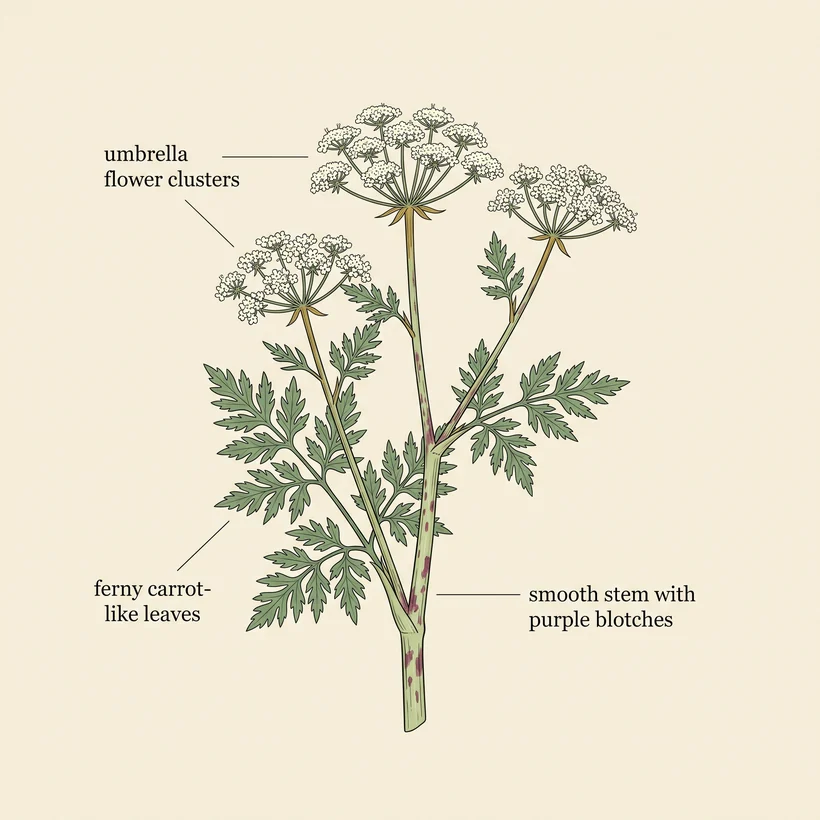
| Wild carrot (Queen Anne's lace) | Poison hemlock & water hemlock — among the deadliest plants in North America. |
| Wild garlic / ramps | Lily of the valley and false hellebore — no onion smell, and toxic. |
| Elderberries | Pokeweed: never eat the berries. Elder: cook ripe berries only; never eat stems, leaves or unripe berries. |
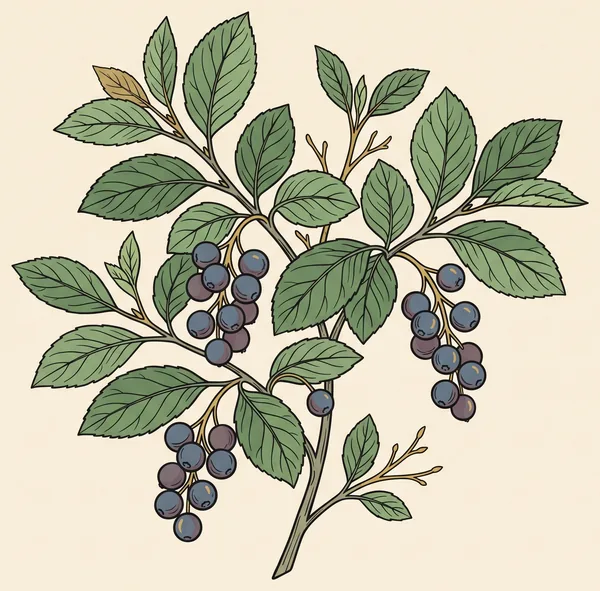 Blue/black wild berries Blue/black wild berries | Deadly nightshade and pokeberries. |
A few forgiving plants to start with
If you're new, begin with plants that are genuinely hard to get wrong — and still, confirm every one. Each one shows its safety tier from the app — a 🟡 means there is one thing you must check first.
| Plant | Why it's a good beginner food |
|---|---|
| 🟢 Dandelion | Unmistakable, entirely edible, everywhere. Leaves, flowers, and roots all usable. |
| 🟡 Blackberry / raspberry | Aggregate berries — clusters of tiny beads — on thorny canes. Yellow because not every berry cluster is a bramble: confirm the thorny cane and the beaded berry every time, and mind the thorns. |
| 🟢 Chickweed | A mild, abundant salad green, easy to learn. Look-alike: scarlet pimpernel (toxic) — square stems, orange or blue flowers, no line of hairs. Chickweed has round stems with a single line of fine hairs. |
| 🟡 Lamb's quarters | A nutritional powerhouse. Cook it like spinach and eat it in moderation (oxalates). Look-alike: young nightshade seedlings (toxic). Lamb's quarters has a white, mealy coating on its new leaves; nightshade does not. |
| 🟡 Cattail | The "supermarket of the swamp" — pick only from clean water, since cattails take up whatever the water carries. Young shoots look like iris (toxic) — confirm last year's brown seed heads on the same stand before you pick. |
Know before you forage: safe vs. deadly look-alikes
1 · Ramps vs. Death CamasDEADLY
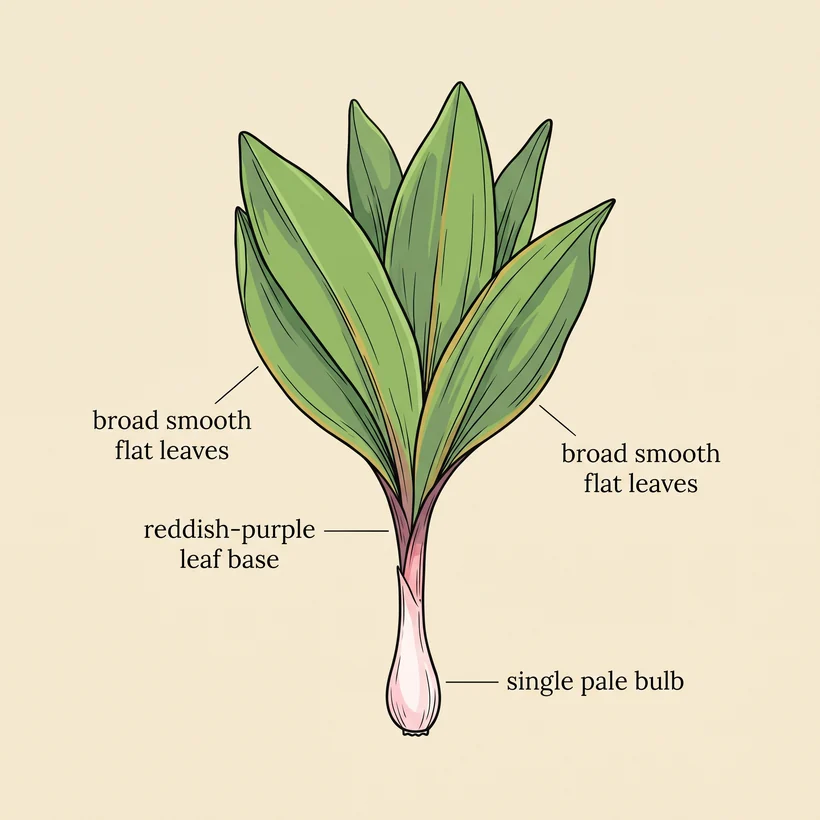
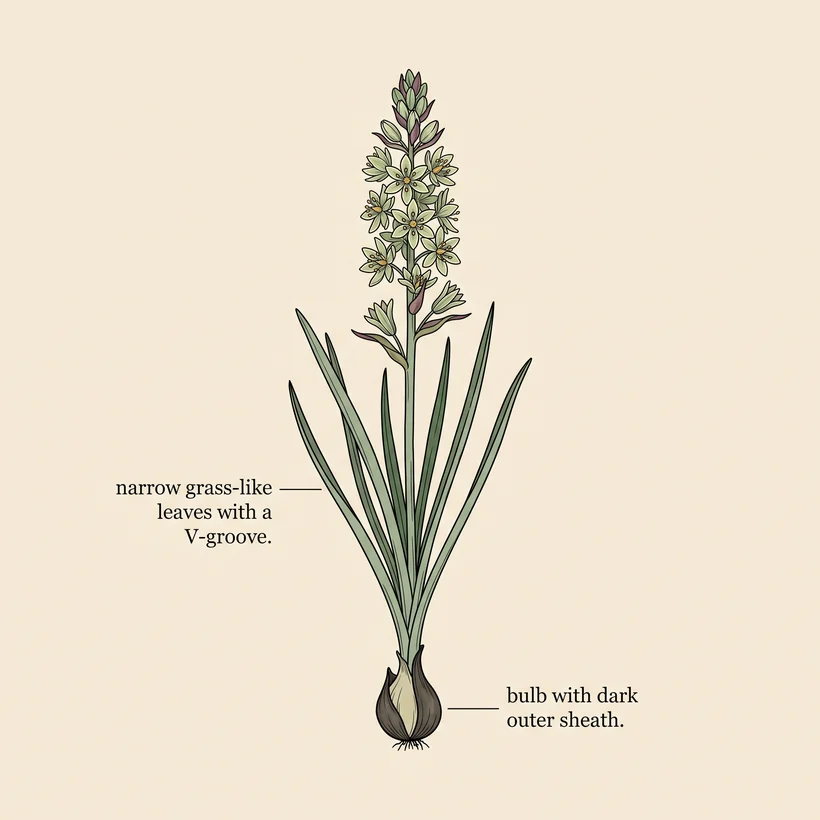
The tell: Crush a leaf — if there is no onion smell, do not eat it. Smell each leaf separately and wash your hands between — scent on your fingers can fool you. Also rule out false hellebore: pleated, ribbed leaves, no smell, and deadly.
2 · Watercress vs. Water Hemlock & Fool's WatercressDEADLY
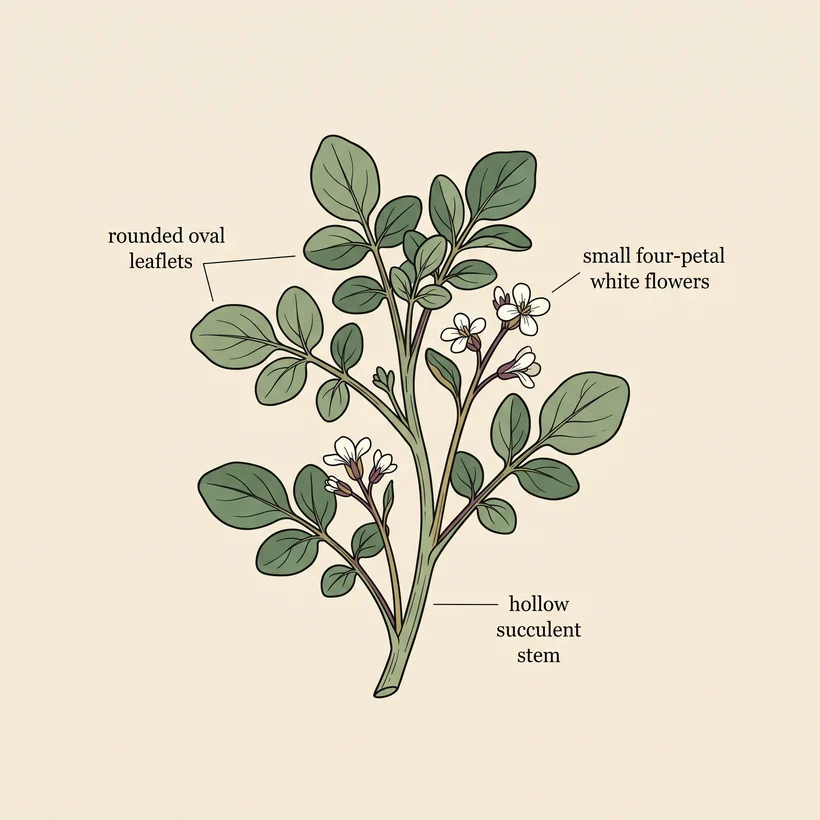
The tell: Watercress has smooth-edged leaflets and four-petaled flowers. Toothed leaflets or umbrella-shaped flower clusters mean a carrot-family look-alike — water hemlock or fool's watercress. Back away.
3 · Yarrow vs. Poison HemlockDEADLY
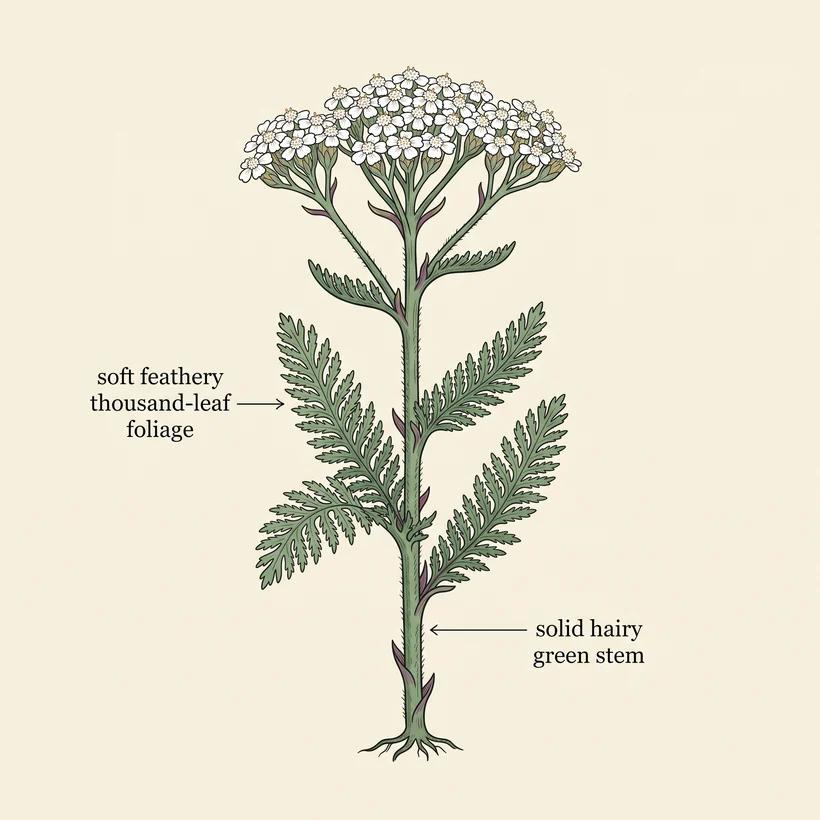
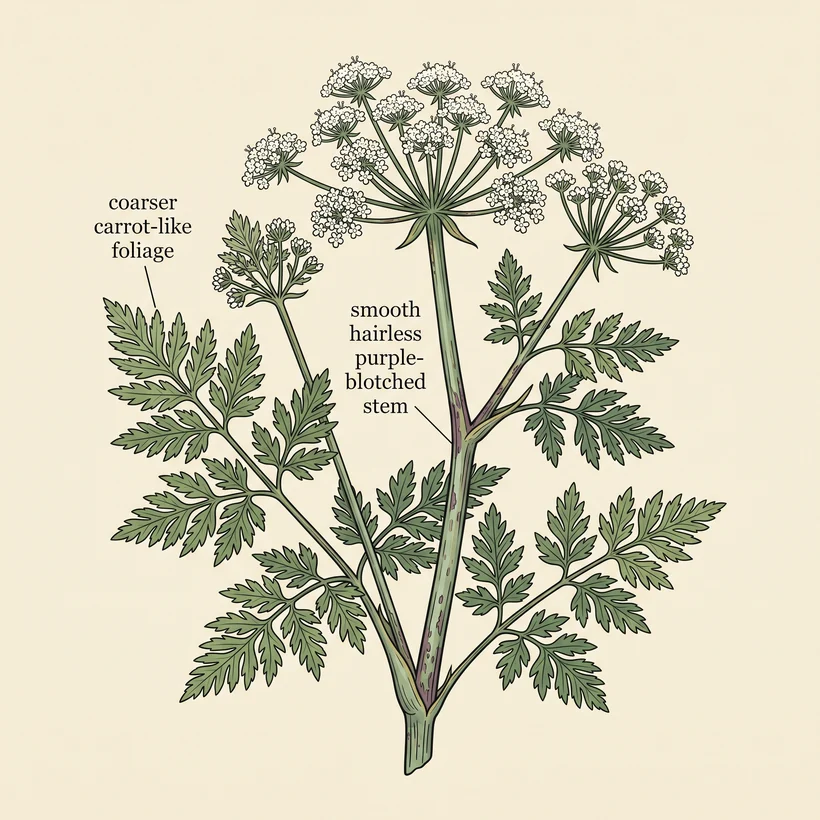
The tell: Hairy solid stem = yarrow. Smooth, purple-spotted stem = walk away.
4 · Comfrey vs. Foxglove (first-year rosette)TOXIC
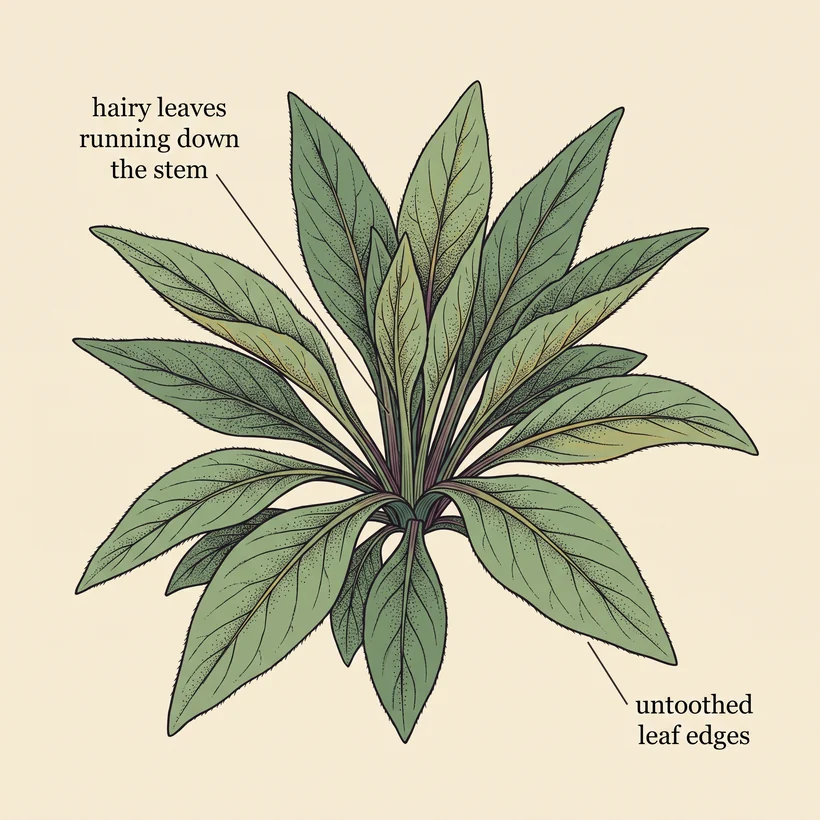
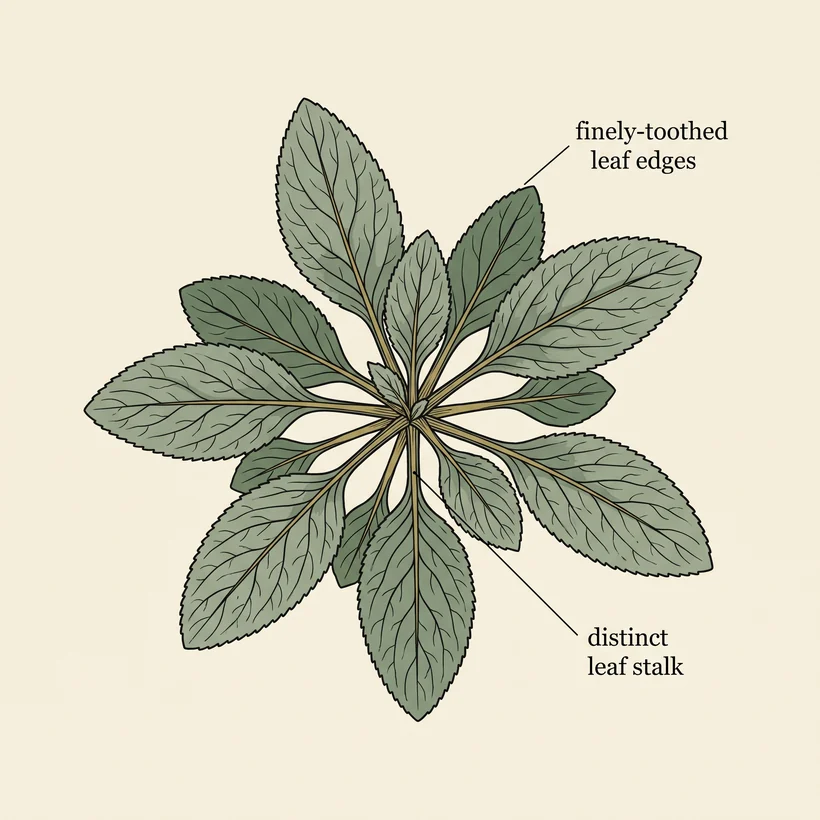
The tell: A toothed edge and a clear leaf-stalk mean foxglove — a heart toxin. Avoid. Only use comfrey you planted yourself and have seen flower.
5 · Milkweed vs. DogbaneTOXIC
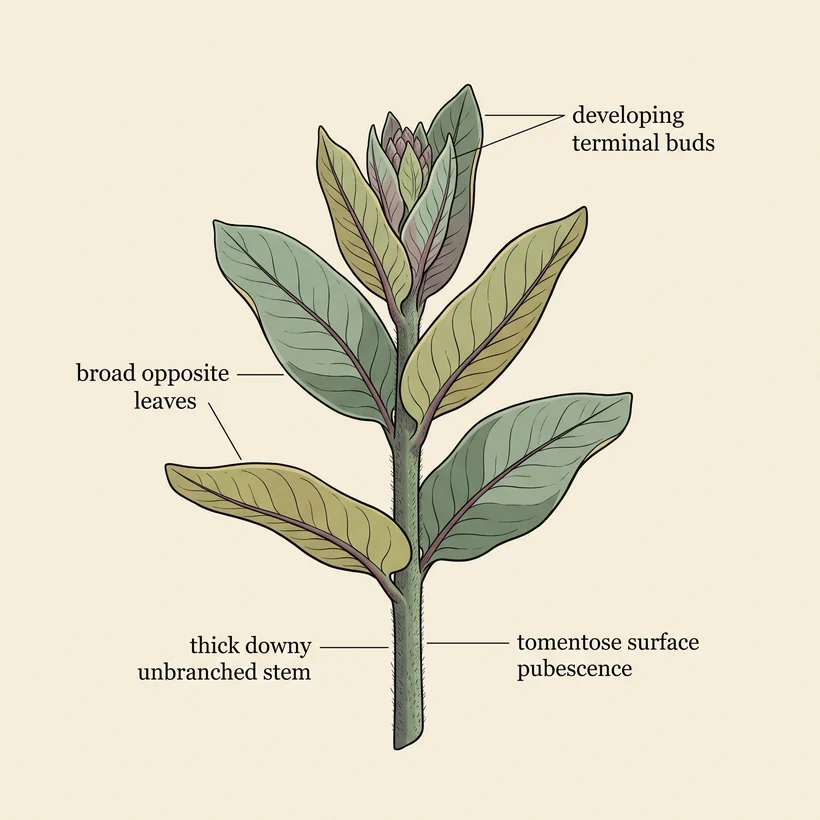
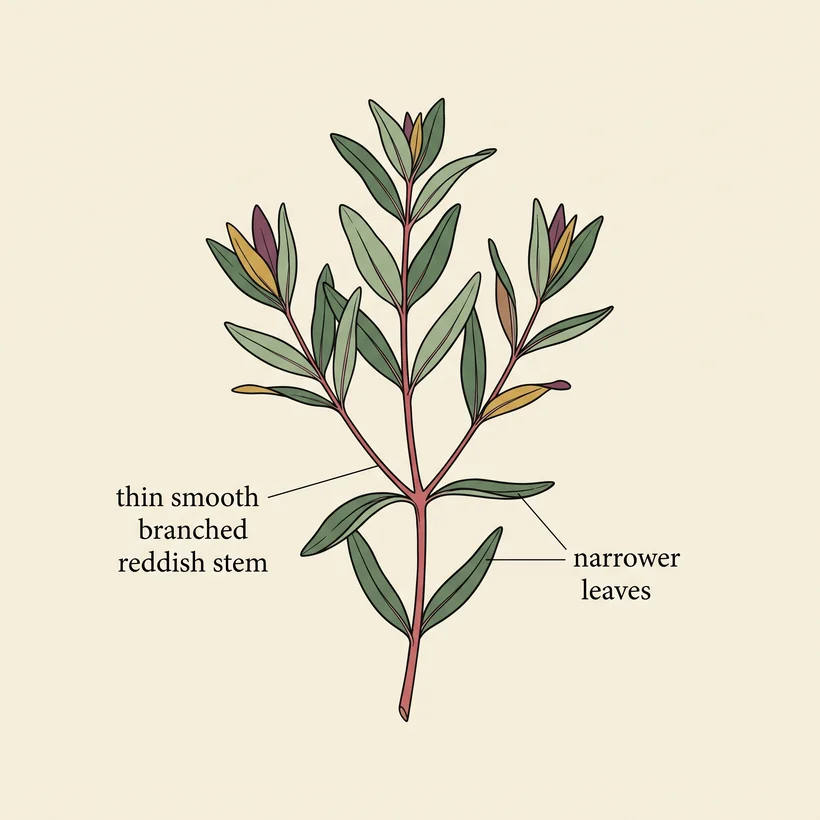
The tell: Young shoots: milkweed is thick and covered in fine hairs; dogbane is thin, smooth, often reddish and hairless. No hairs = don't eat it. Milky sap proves nothing — both have it.
6 · Boneset vs. White SnakerootTOXIC
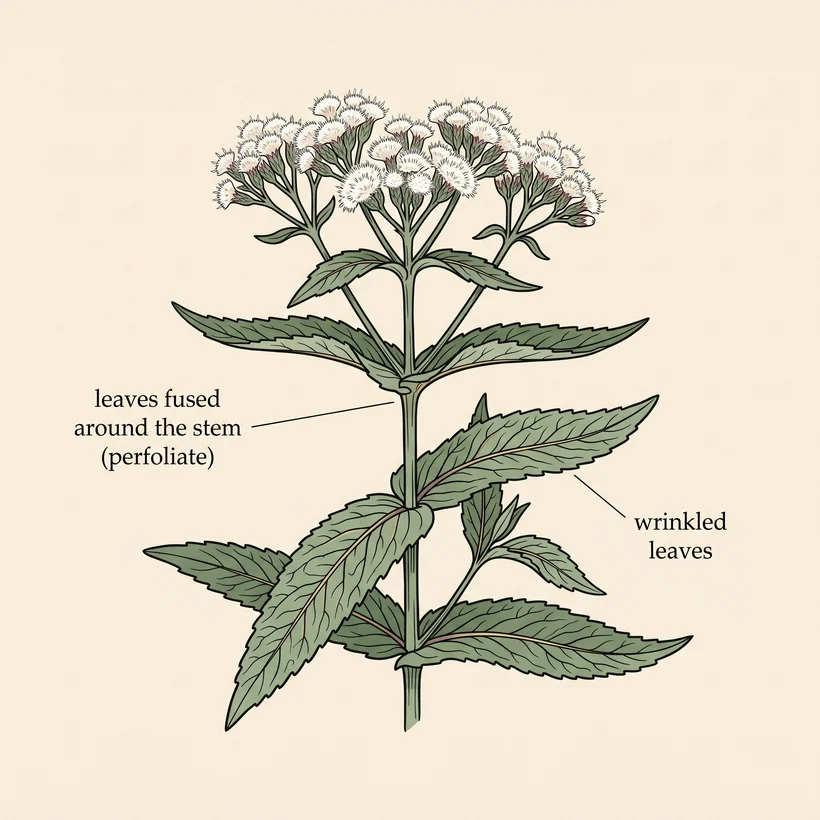
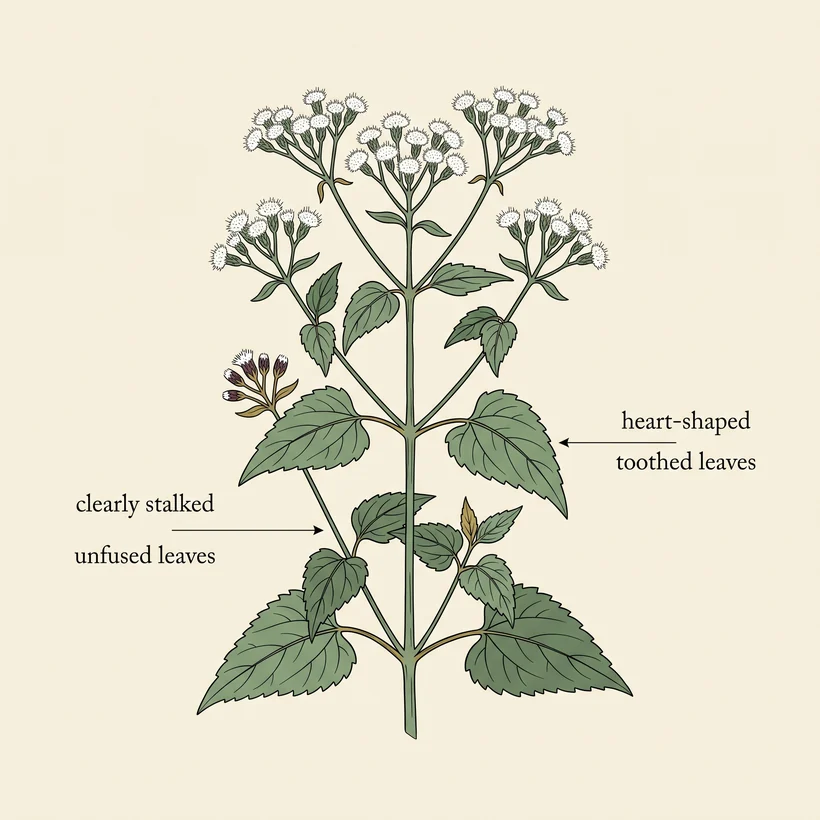
The tell: Stem-through-the-leaf is boneset. Separate stalked leaves are snakeroot — the milk-sickness toxin.
7 · Purslane vs. Prostrate SpurgeTOXIC
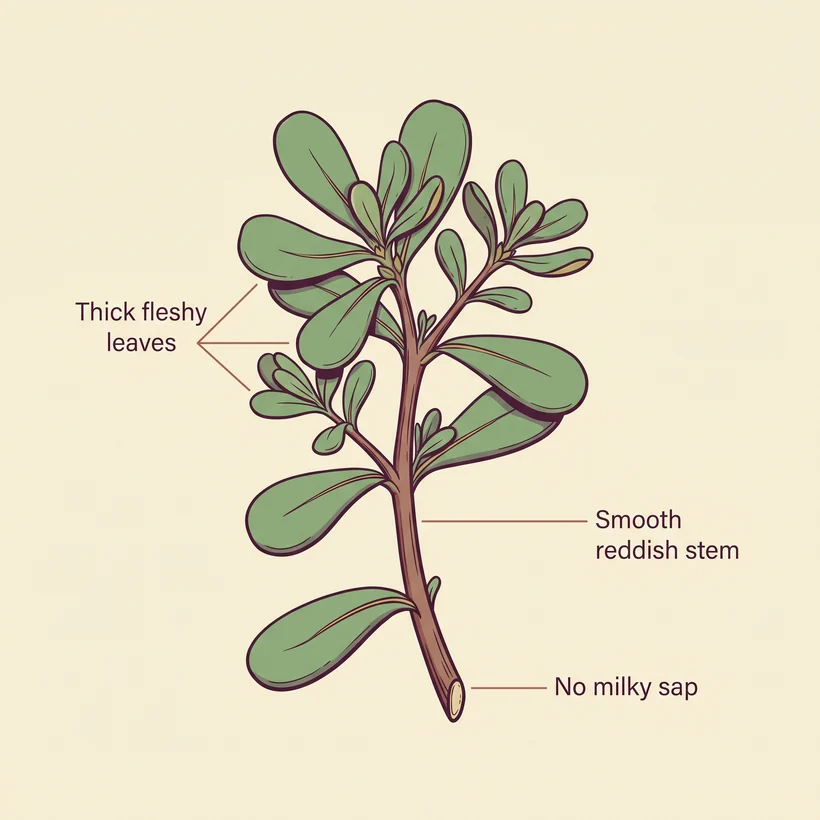
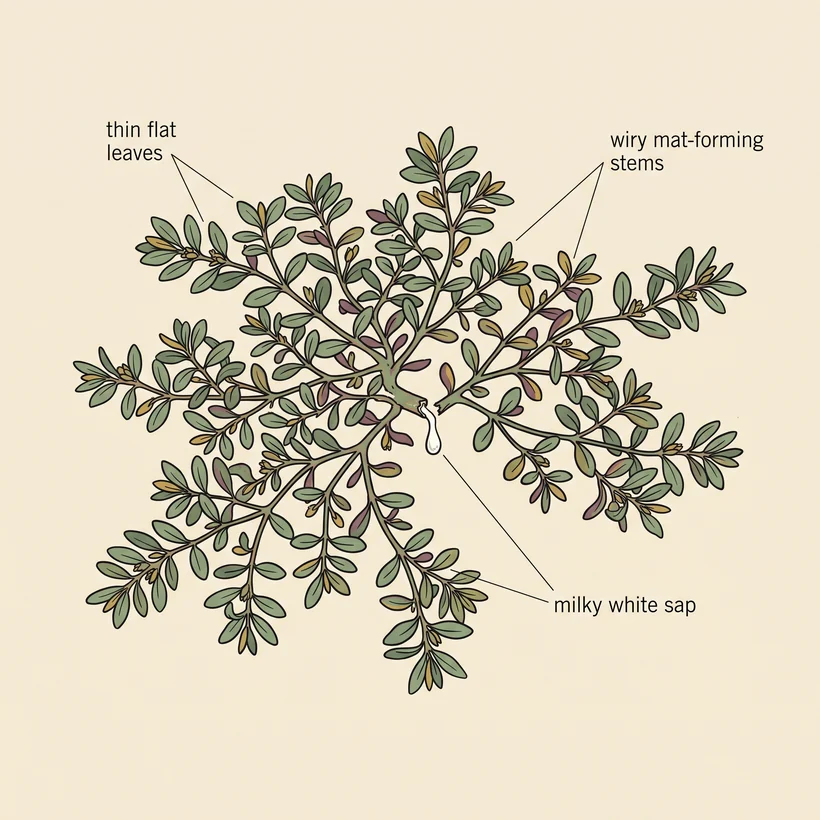
The tell: Snap a stem — milky sap means spurge. Fleshy leaves and no sap means purslane.
8 · Wild Garlic vs. Autumn CrocusDEADLY
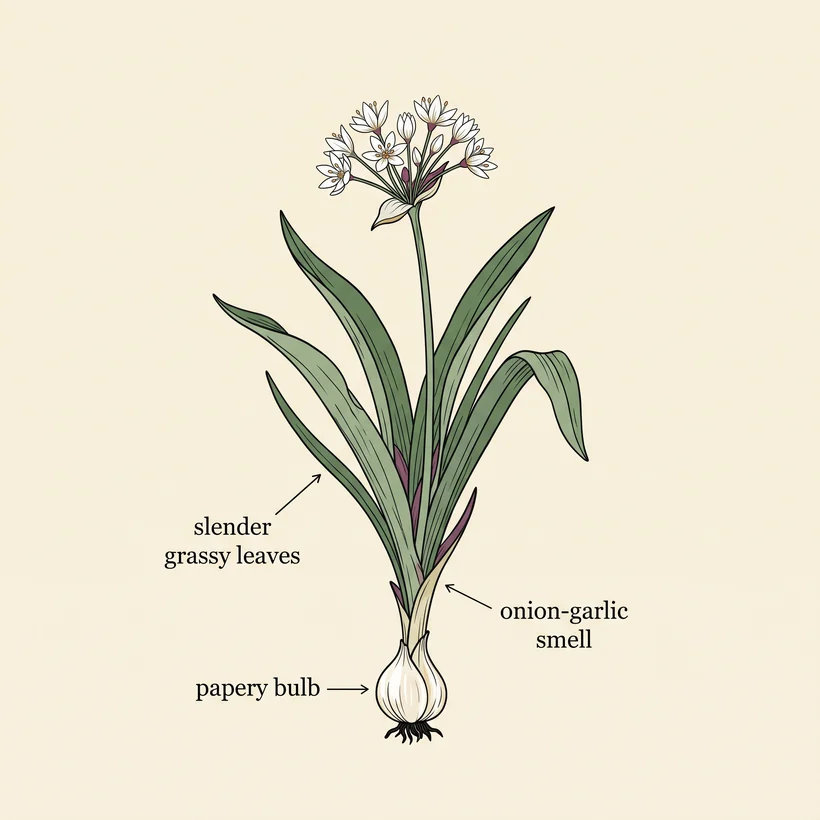
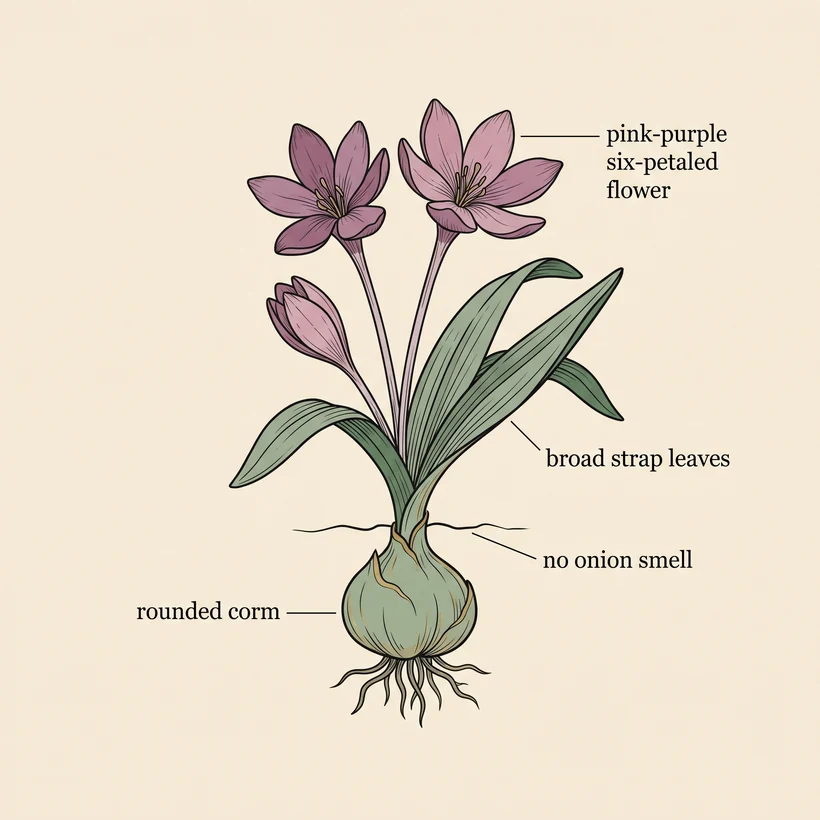
The tell: No onion smell means do not eat it — autumn crocus colchicine has no antidote.
9 · Field vs. Marsh HorsetailTOXIC
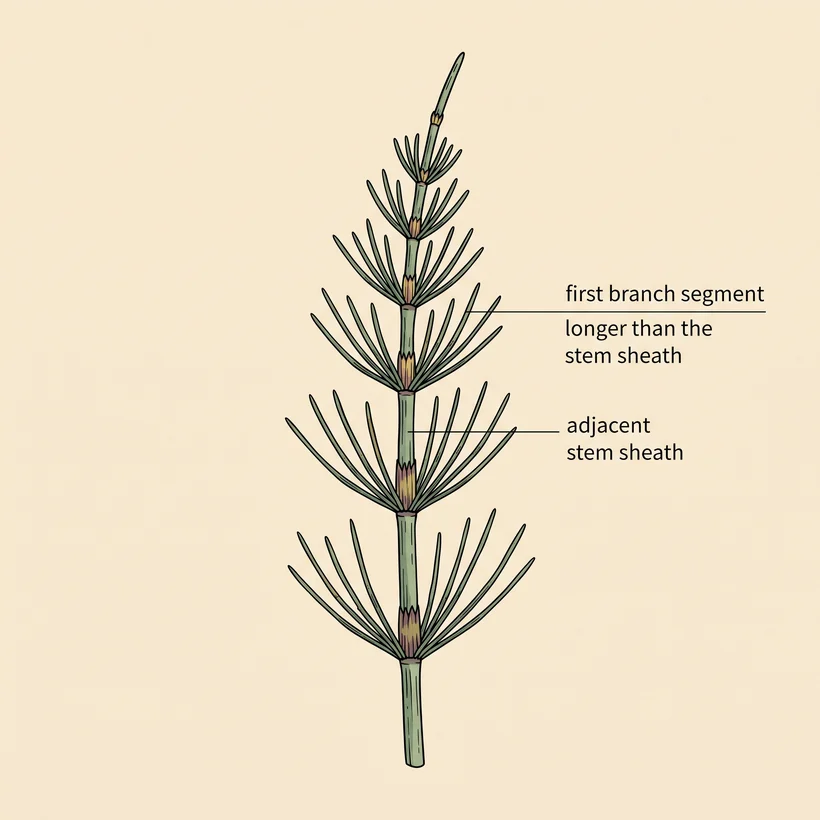
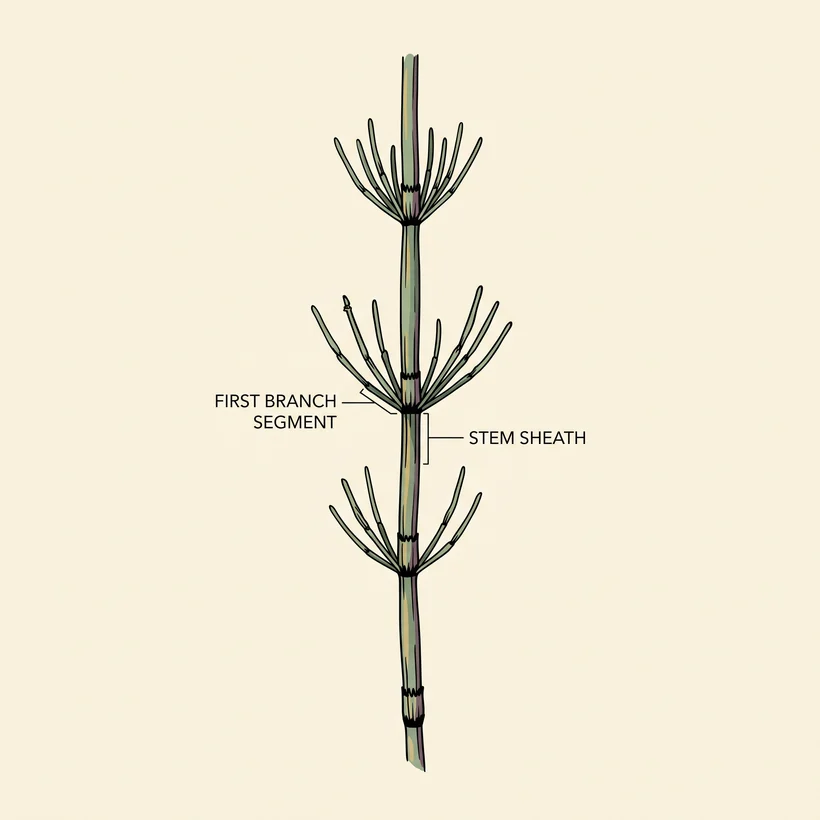
The tell: Compare that first branch segment to the sheath — shorter points to the toxic marsh species.