
The philosophy
Three ideas drive every recommendation on this page:
- One good tool beats three mediocre ones. A forged shovel with an ash handle costs more once; a stamped big-box shovel costs less three times.
- Match the tool to the job, not the marketing. Most "innovative" tools are a worse version of a tool that has existed for a century.
- A sharp, cared-for tool is a different tool. A dull hoe is exhausting; a sharp one glides. Care matters more than brand.
Skip these — and why
Not a brand list — a pattern list. These are the categories that waste money for most gardeners, with the reason and the better alternative.
| Gimmick / category | Why to skip it | Buy instead |
|---|---|---|
| Multi-tool "garden gadget" combos | Does five jobs poorly and breaks at the weld — the joints are the failure point. | One good tool per real job. |
| Hand claw / 3-prong cultivators | Fluffs the top inch and brings weed seeds up. Rarely earns its shed space. | A stirrup hoe + hand fork. |
| Ultra-cheap stamped shovels & rakes | Bend on the first root or rock; handles split in a season. | Forged head + ash/hickory or fiberglass handle. |
| Telescoping "one-size" handles | The locking joint wobbles and fails under real load. | Fixed-length tool sized to your height. |
| Gas mini-tiller for small beds | Loud, thirsty, and it wrecks soil structure for a job a broadfork does better. | A broadfork (see below). |
| Novelty "ergonomic" trowels | Occasionally worth it, but usually a premium for a gimmick shape. | A solid one-piece forged trowel. |
Fair exceptions: a good hori-hori (Japanese digging knife) and a long-handled dandelion/taproot weeder are genuinely useful single-purpose tools — they earn their place because nothing else does their job as well. The test is always: does a basic tool already do this better?
Hoes — the most misunderstood tool
Most people own one heavy chopping hoe and use it for everything, which is why they hate hoeing. The secret to easy weeding is a slicing hoe you pull just under the surface — you cut weeds off from their roots, you don't dig.
| Hoe type | What it's for | Who needs it |
|---|---|---|
| Draw hoe (classic) | Chopping, hilling soil around potatoes/corn, breaking crust. | The one everyone owns and overuses. Keep it for hilling, not weeding. |
| Stirrup / hoop hoe | Slicing annual weeds just below the surface on push AND pull. | The weeding workhorse. If you buy one hoe, buy this. |
| Collinear / onion hoe | Shallow, precise weeding between closely spaced plants. | Best paired with the stirrup hoe for tight rows. |
| Warren hoe (triangle) | Opening seed furrows and getting into tight corners. | Handy at planting time; not a daily weeder. |
| Wheel hoe | Covering long rows fast in a big garden. | Only worth it for larger row plots; overkill for raised beds. |
Shovels vs. spades — they're not the same
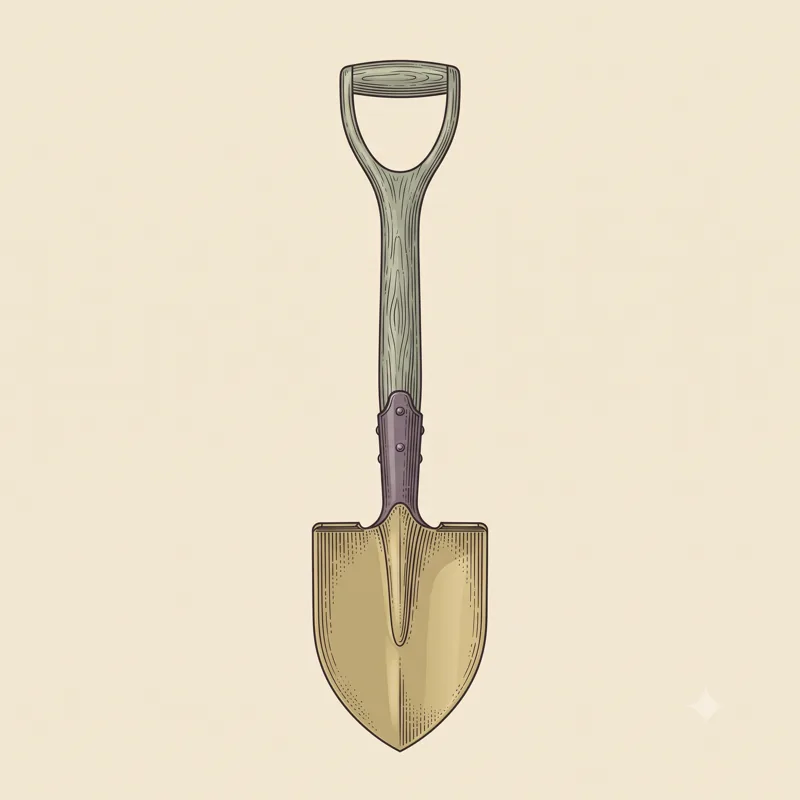
A shovel scoops; a spade cuts. A shovel has a curved, pointed blade for moving material and digging holes. A spade has a flatter, sharper, straighter blade for slicing — edging beds, cutting sod, dividing perennials, and making clean planting holes.
| Type | Blade | Best for |
|---|---|---|
| Round-point shovel | Curved, pointed | All-purpose digging, moving soil, planting. The default. |
| Digging spade | Flat, straight, sharp | Edging, cutting sod, dividing perennials, clean-sided holes. |
| Square / transfer shovel | Flat, square | Scooping loose material (compost, mulch, gravel) — NOT digging. |
| Drain / trenching spade | Narrow, long | Deep narrow holes, trenching for lines, bare-root trees. |
| Border spade | Small flat | Tight beds and containers; lighter for smaller hands. |
Forks — quick reference
| Fork | What it's for |
|---|---|
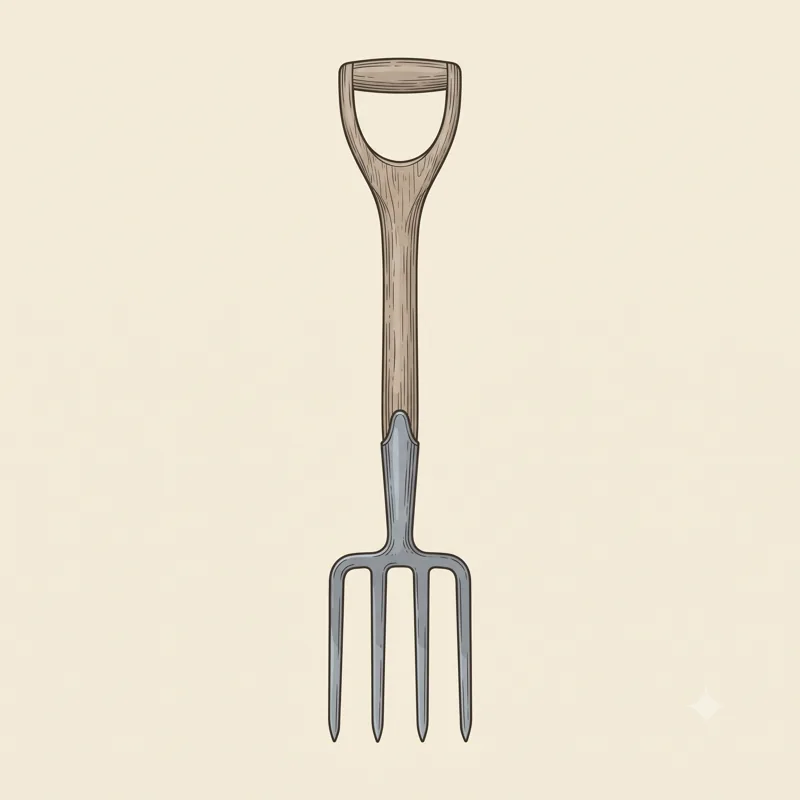
| Garden / digging fork | Turning and loosening soil, lifting root crops without slicing them. |
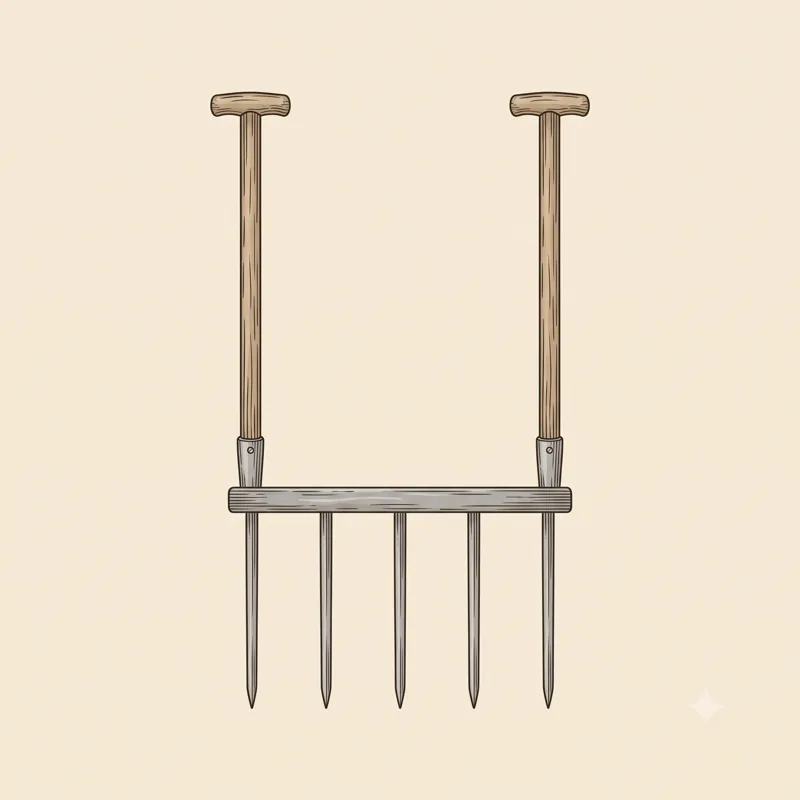
| Broadfork | Deep-loosening a whole bed without inverting the soil. |
| Manure / pitch fork | Moving compost, mulch, hay, and manure — light, wide tines. |
| Border fork | A smaller digging fork for tight beds and containers. |
Working the soil: till vs. plow vs. broadfork vs. no-till
This is the biggest tool decision a gardener makes, and it's less about the tool than about what happens to the soil. Every time you invert and pulverize soil, you get a short-term win (fluffy, easy to plant) and a long-term cost (you break the fungal networks and structure that make soil healthy, and you bring a fresh layer of weed seeds to the surface).
| Method | Advantages | Disadvantages |
|---|---|---|
| Rototilling | Fast; breaks new ground; mixes in amendments. | Destroys soil structure & fungal networks; brings up weed seeds; creates a compacted "tiller pan"; must be redone yearly. |
| Plowing | Efficient at farm scale for opening big ground. | All the downsides of tilling, amplified; not appropriate for a garden-scale plot. |
| Broadfork | Loosens 10–14" deep; preserves soil life and layering; no fuel; improves soil over time. | Physical work; slower than a machine; not ideal for truly virgin sod the first time. |
| No-till / deep mulch | Least disturbance; builds soil and holds moisture best; fewer weeds each year. | Slower to start; needs a steady supply of mulch/compost; patience in year one. |
So which should you do?
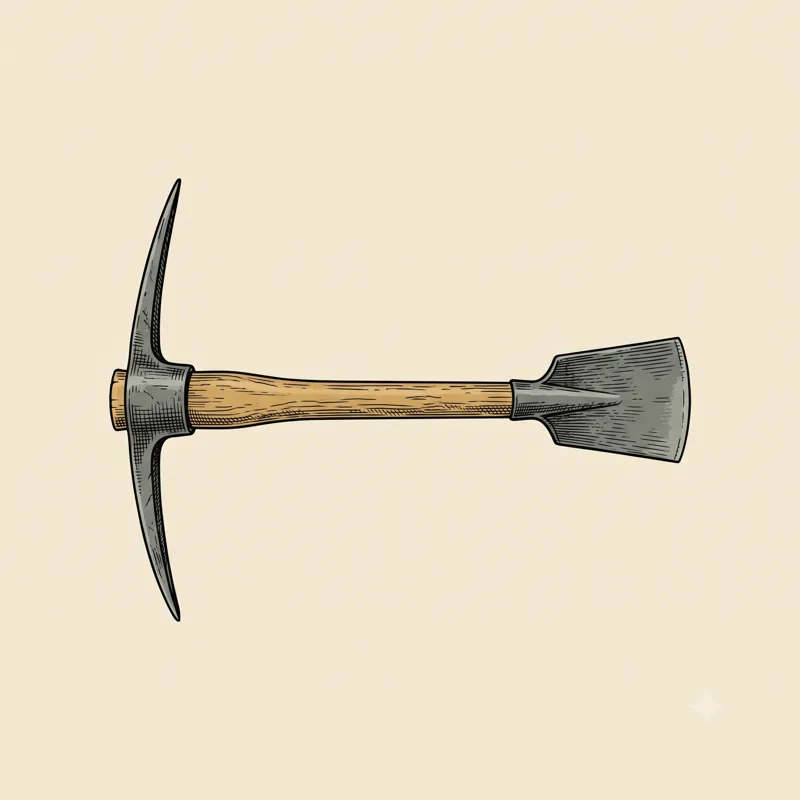
- Breaking new ground or fixing bad compaction: tilling once (or a mattock + broadfork) is a defensible way to get started. Do it once — then stop.
- Every season after that: switch to the broadfork and/or no-till. You keep the beds open and alive without undoing your soil every spring.
- The long game: the healthiest gardens trend toward no-till + broadfork + heavy compost. Less work each year, better soil each year.

The recommended kit
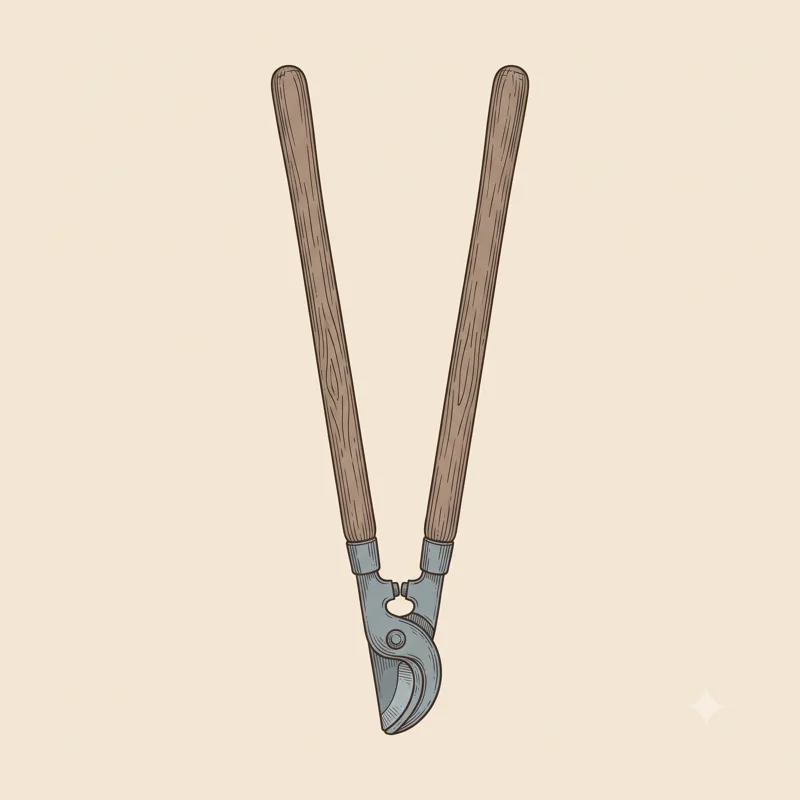
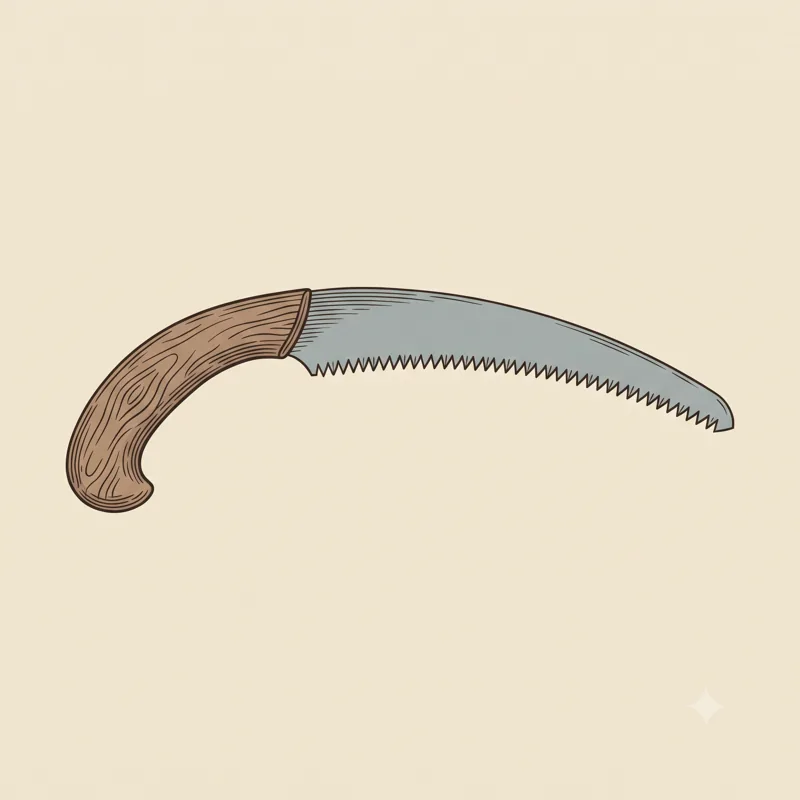
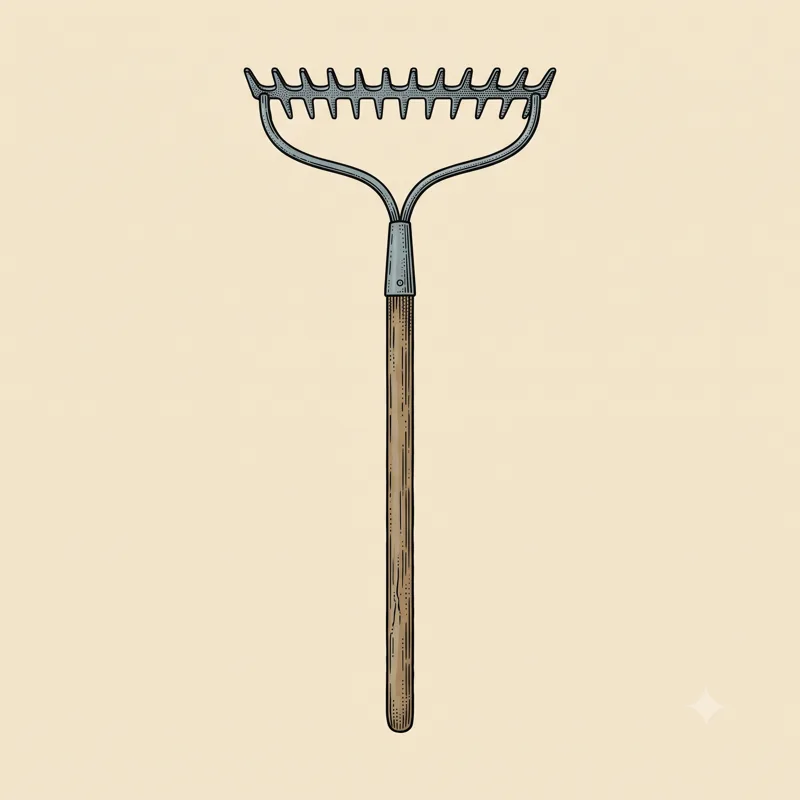
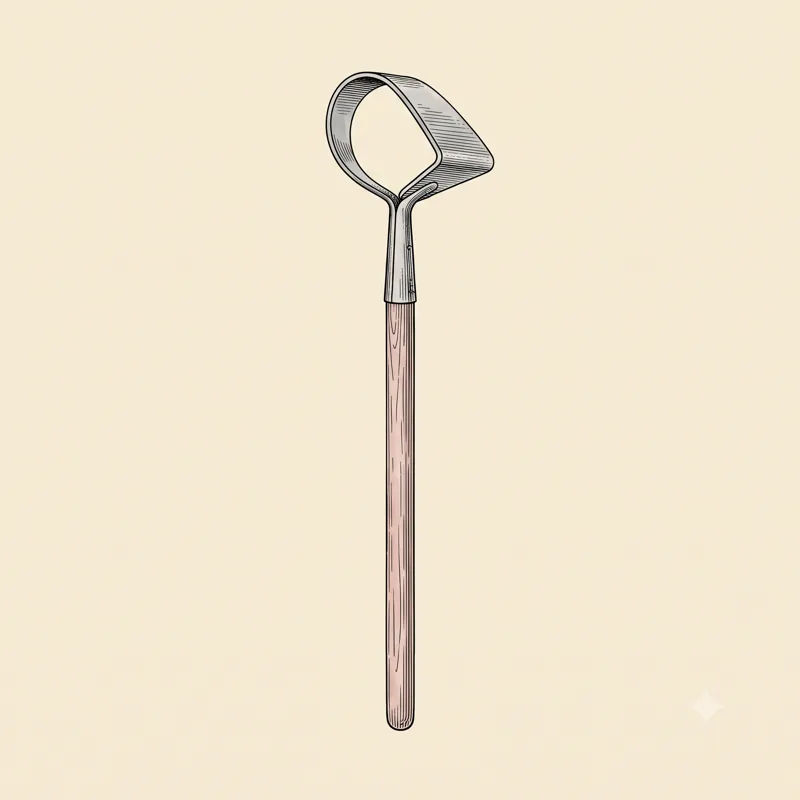
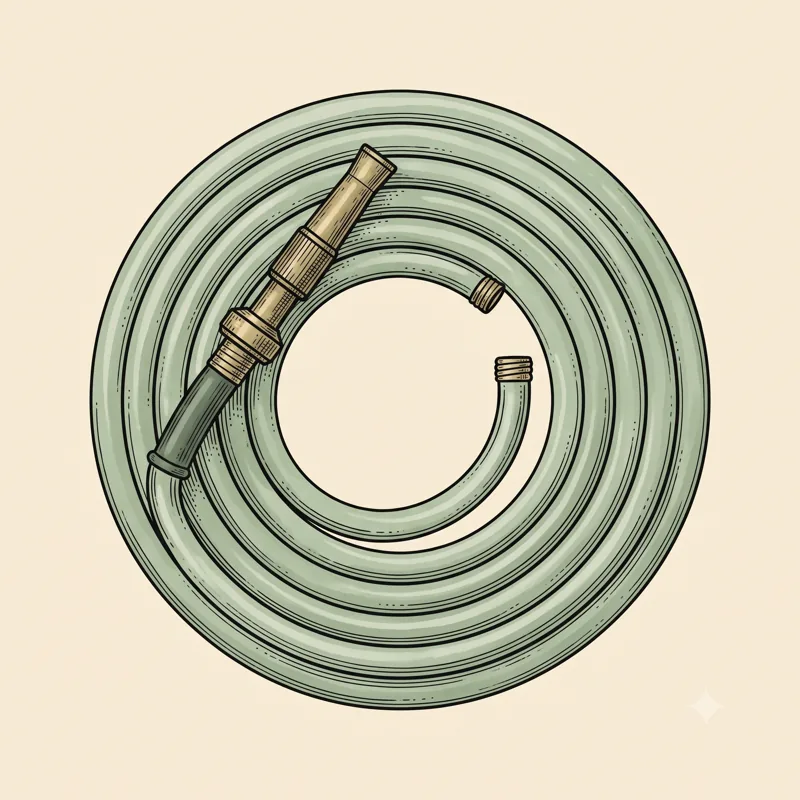
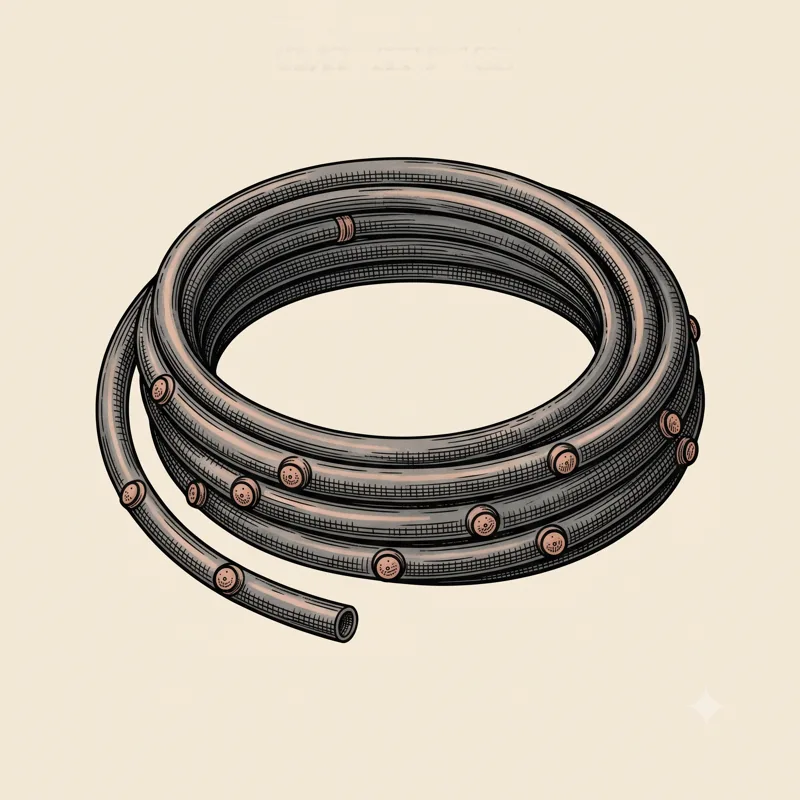
What actually earns its place:
- Round-point shovel + a digging spade.
- Garden fork + (as you grow) a broadfork.
- A sharp stirrup hoe; add a collinear hoe for close work.
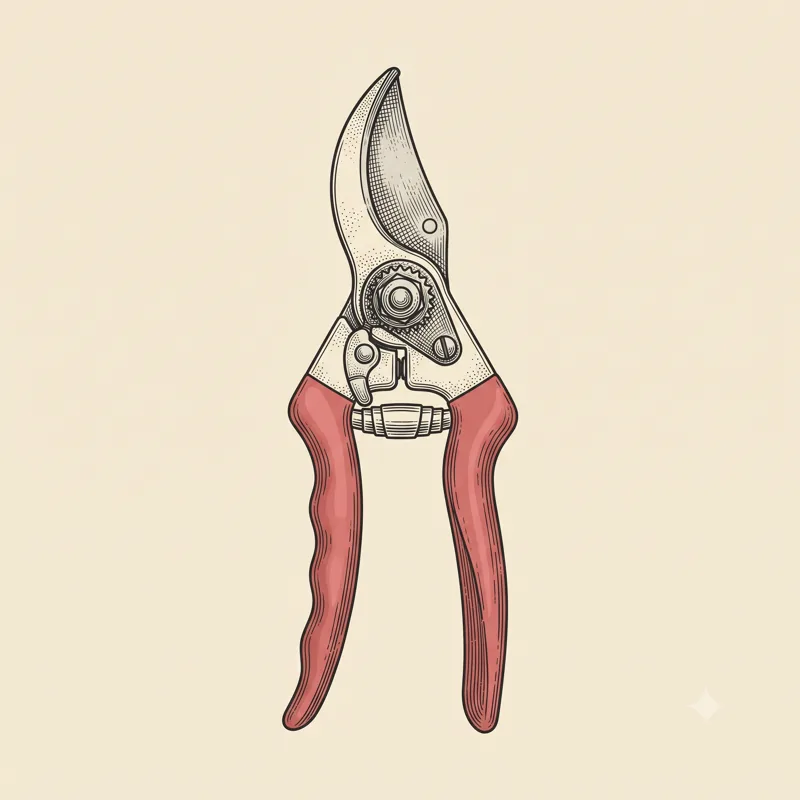
- Bypass pruners, loppers, a pruning saw.
- Steel bow rake; a hard rake for leveling beds.
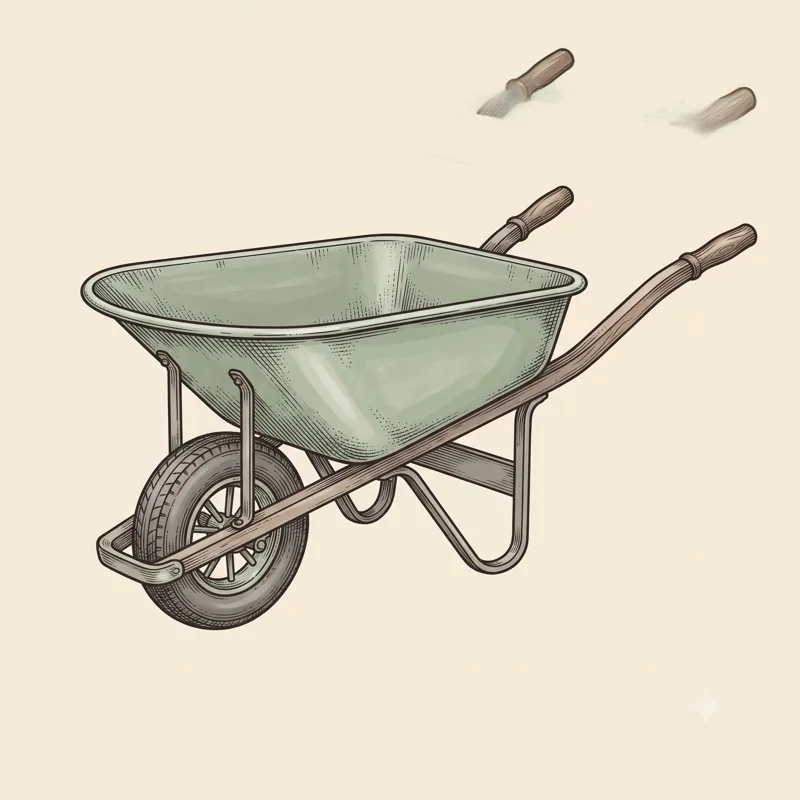
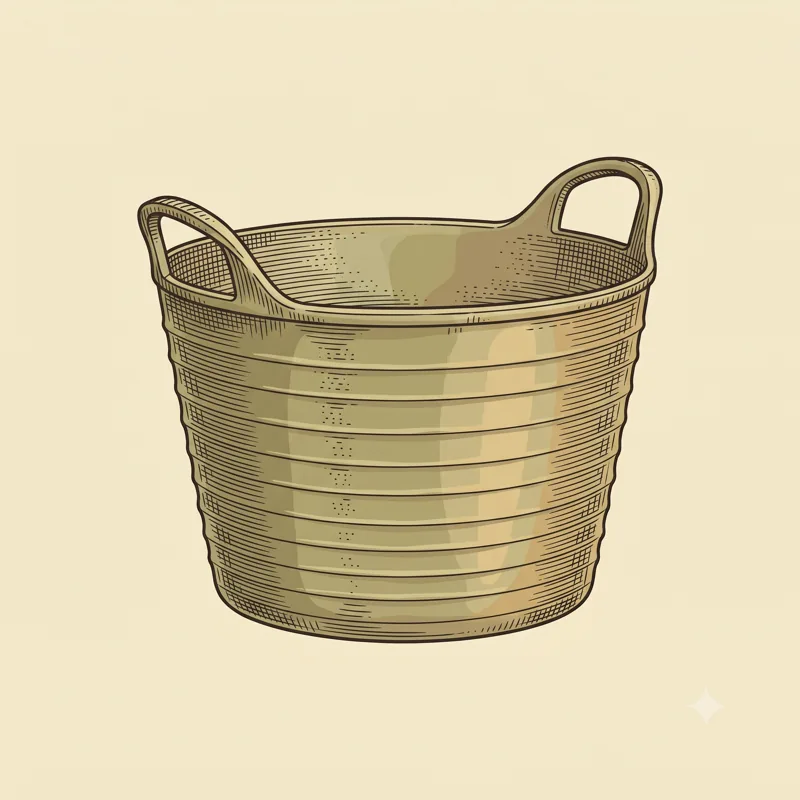
- A wheelbarrow or two-wheel garden cart; a trug/muck bucket.
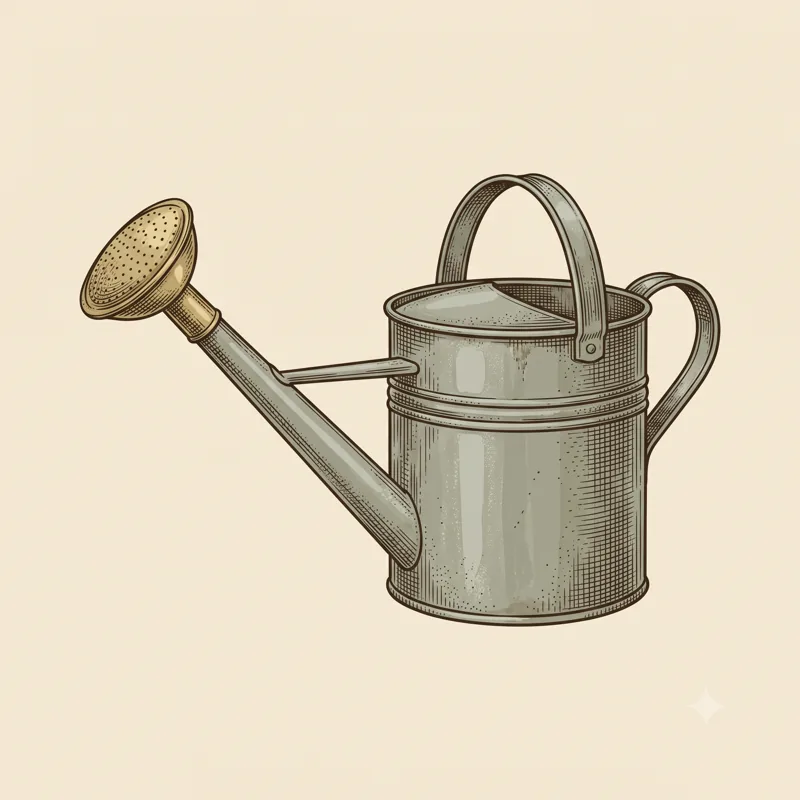
- Watering can with a rose; a good hose + nozzle; drip/soaker lines for bigger plots.
- Care kit: a mill file or sharpening stone, and a rag with oil. This one habit doubles the life and the ease of everything above.
Maintenance & sharpening — the habit that matters most
A sharp, oiled tool is a different tool. This is where the kit above earns its decades of life.
- Sharpen to the existing bevel — match the angle the tool was ground at (typically 20–30° for hoes and spades). Don't invent a new edge.
- Hoes and spades: sharpen only the soil-facing bevel — 10–15 strokes per side with a medium mill file. Keep the file wet/oiled so it doesn't clog.
- Pruners and loppers: a diamond file follows the existing bevel, three to five passes; disinfect blades between diseased plants.
- Handles: ash and hickory last decades — rub linseed oil into bare wood once or twice a year so it doesn't dry, crack, or splinter.
- Storage: clean soil off after every use (damp soil rusts steel overnight) and store on a wall rack. For long-term storage, keep a bucket of sand mixed with motor oil and push the blades in after each use — the sand cleans and the oil coats in one motion.