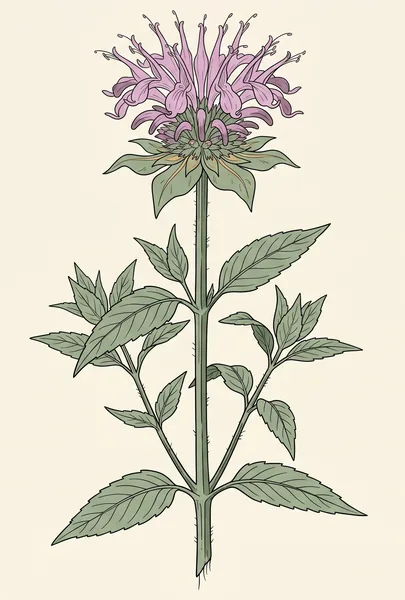
Not a field guide for eating. These drawings show what a plant looks like in general — they are not a way to confirm a wild plant is safe to eat or use. Many plants have poisonous look-alikes. Never eat, brew, or apply any wild plant unless someone who knows it has confirmed its identity in person. Nothing here is medical advice.
Every plant carries a safety tier:
🟢 gentle — everyday kitchen and tea plants, and easy edibles. 🟡 potent — real cautions: cook-first, small-doses, or handle-with-care. 🔴 respect — toxic or expert-only. Look, don't use.
Zones are matched to your account. Plants that won't survive your winter are dimmed — flip the toggle to see everything.
Every plant, one by one
| Plant | Zones | Tier | Good for | Cautions |
|---|---|---|---|---|
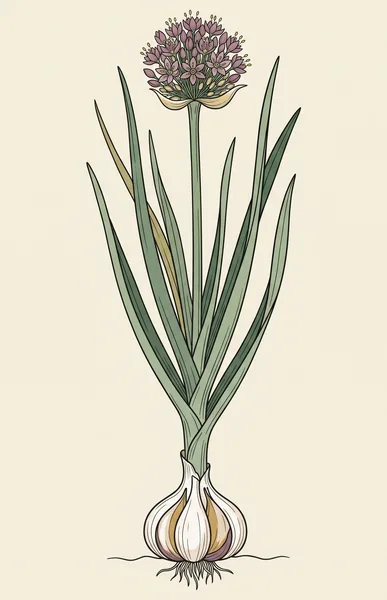 Garlic Garlic |
3–9 | 🟢 | Kitchen staple — bulbs, green tops, and spring scapes | A true workhorse. Nothing to watch for. |
| Bee balm (wild bergamot) |
3–9 | 🟢 | Fragrant tea and a top pollinator plant; minty-oregano scent | Spreads by runners — give it room or edge the bed. |
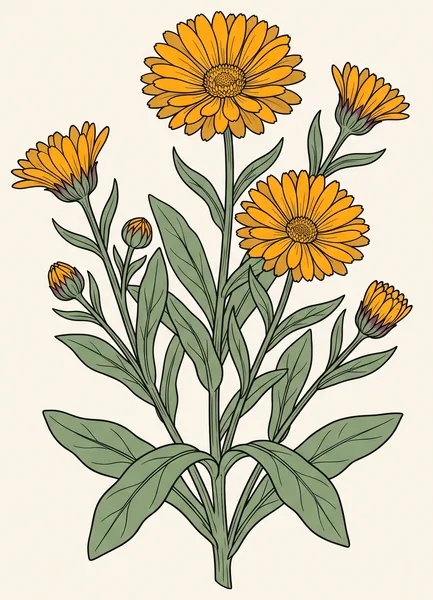 Calendula Calendula |
2–11 | 🟢 | Edible petals and the classic skin-salve flower | Go easy with a serious daisy or ragweed allergy. |
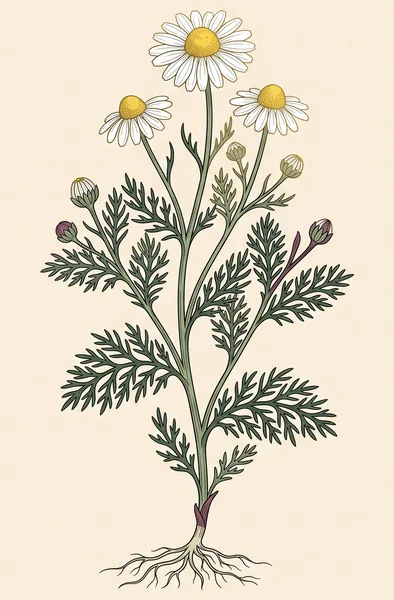 Chamomile Chamomile |
2–11 | 🟢 | Calming tea from the dried flowers | Ragweed-allergy folks may react to it. |
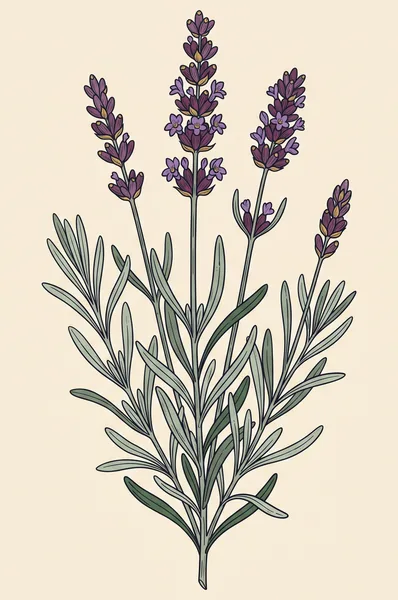 Lavender Lavender |
5–9 | 🟢 | Fragrance, tea, and baking; adored by bees | Wants sharp drainage — it rots in wet clay. |
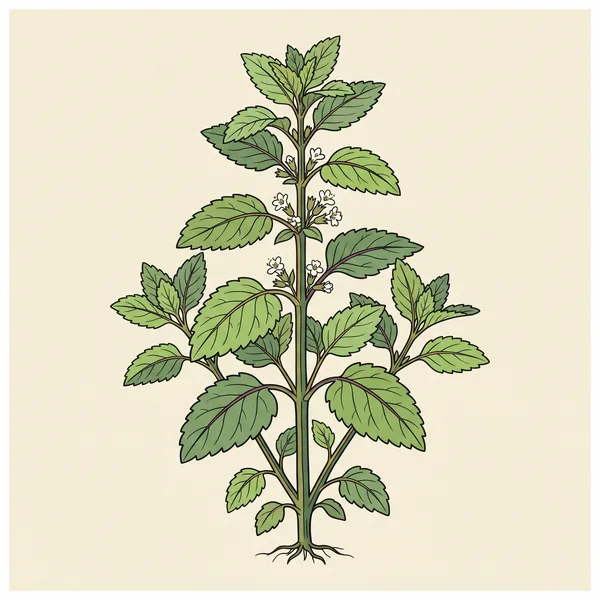 Lemon balm Lemon balm |
4–9 | 🟢 | Lemony, mood-lifting calming tea | Spreads freely — contain it or it takes the bed. |
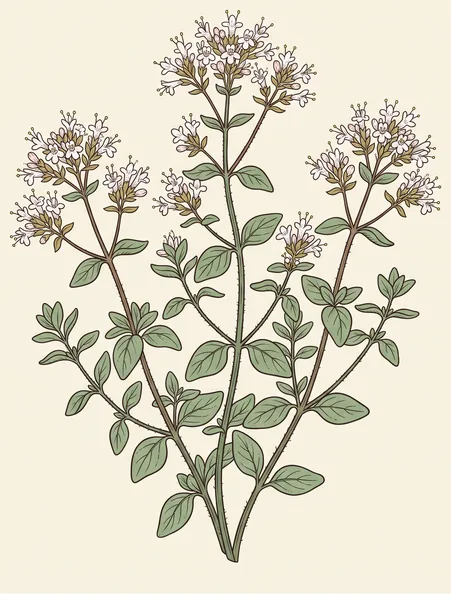 Oregano Oregano |
4–10 | 🟢 | Kitchen herb; stronger dried than fresh | Can sprawl; shear it back to stay tidy. |
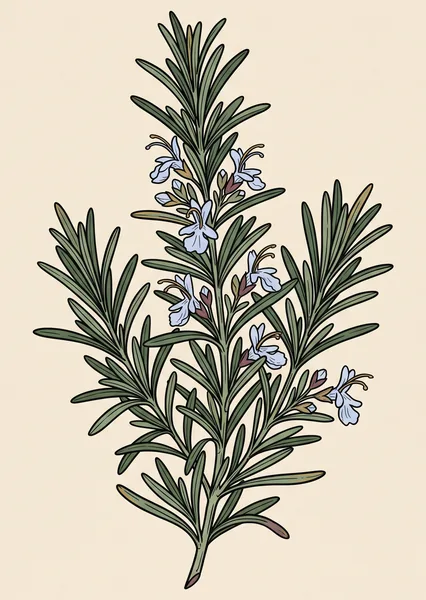 Rosemary Rosemary |
7–10 | 🟢 | Evergreen kitchen herb for roasts and breads | Not winter-hardy below zone 7 — grow in a pot and bring it in. |
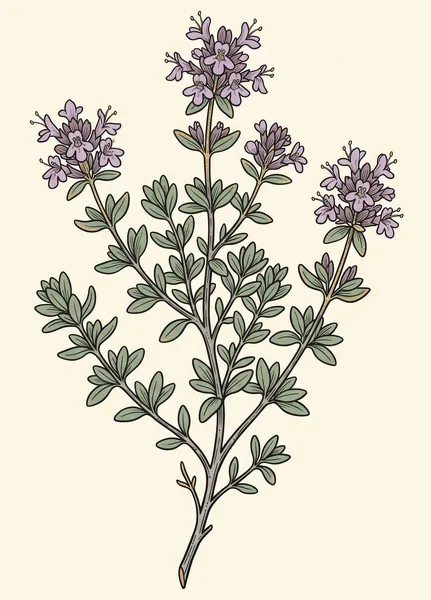 Thyme Thyme |
4–9 | 🟢 | Kitchen herb and gentle tea; doubles as a groundcover | Nothing notable in kitchen amounts. |
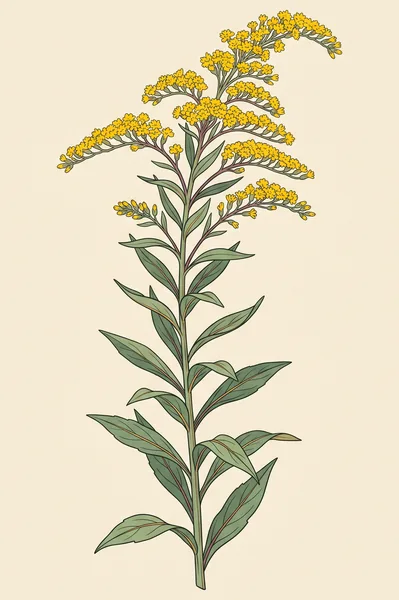 Goldenrod Goldenrod |
3–9 | 🟢 | Tea and a late-season pollinator feast | It does NOT cause hay fever (that's ragweed) — but daisy-allergy folks go easy. |
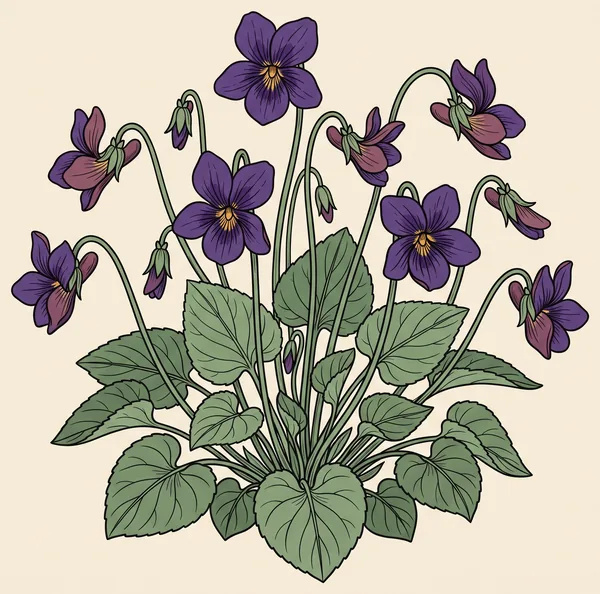 Blue violet Blue violet |
3–9 | 🟢 | Edible flowers and leaves; pretty in salads | Only true wild violets — African violets are unrelated and not edible. |
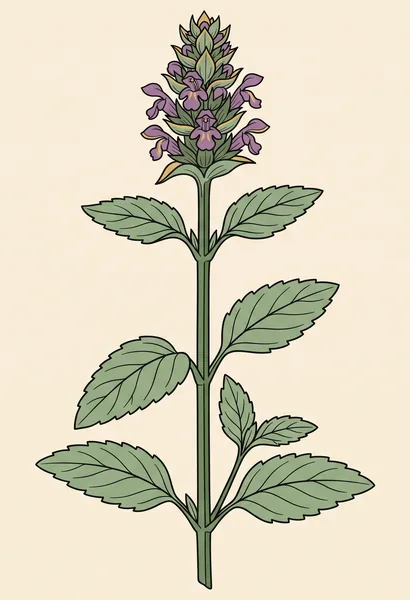 Self-heal Self-heal |
3–9 | 🟢 | Mild edible green and tea; old-time wound herb | Gentle; spreads modestly in lawns. |
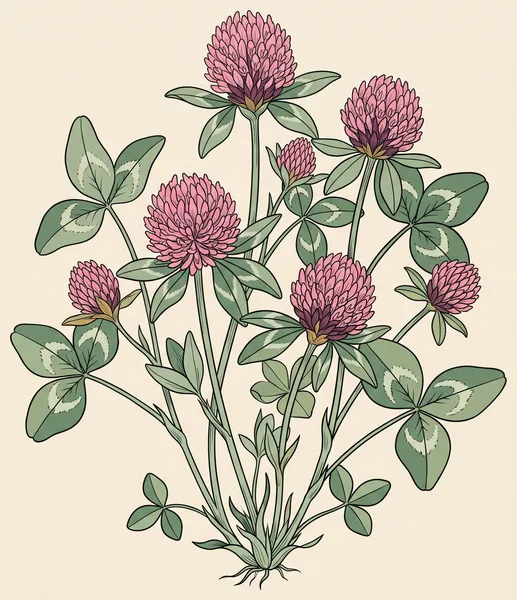 Red clover Red clover |
3–10 | 🟢 | Edible flowers and tea; a nitrogen-fixing cover crop | Large medicinal doses aren't for pregnancy or with blood thinners. |
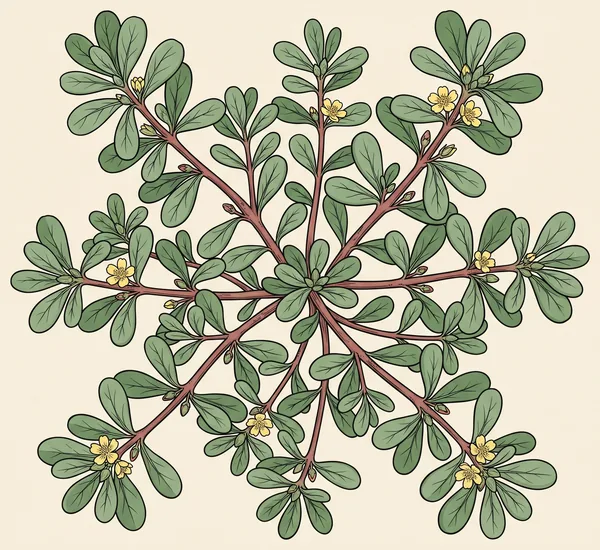 Purslane Purslane |
2–11 | 🟢 | Succulent, lemony wild green — rich in omega-3s | Don't confuse with toxic spurge, which bleeds a white sap when snapped. |
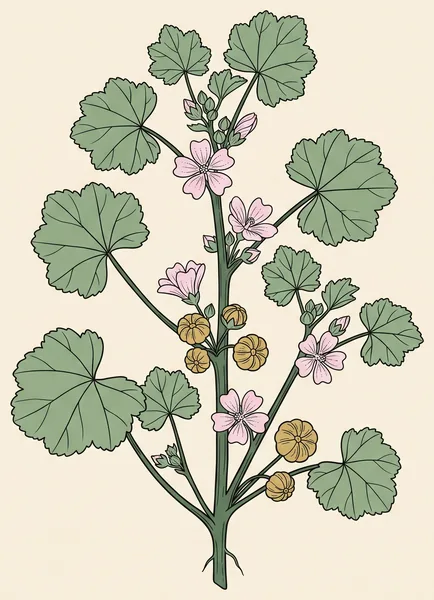 Common mallow Common mallow |
3–10 | 🟢 | Mild edible leaves and soothing "cheese-wheel" seeds | A common lawn weed — just wash it well. |
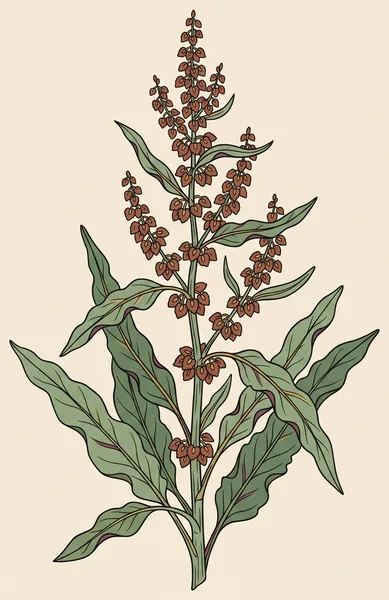 Curly dock Curly dock |
3–9 | 🟢 | Young leaves cooked like spinach; pleasantly tangy | High in oxalates — eat cooked and in moderation. |
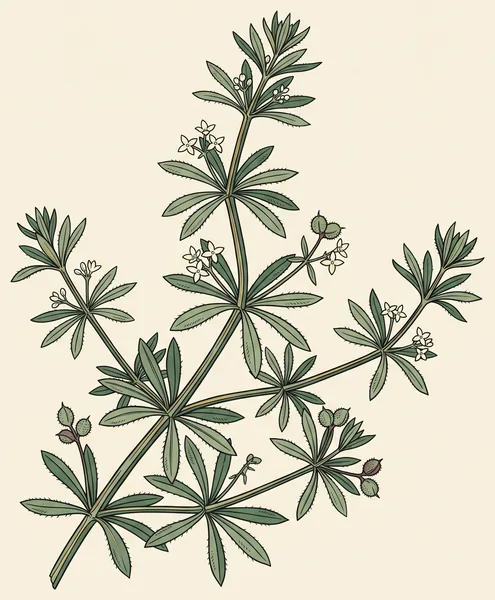 Cleavers Cleavers |
2–11 | 🟢 | Spring tonic tea; the sticky "goosegrass" | Best young — it turns fibrous and clingy with age. |
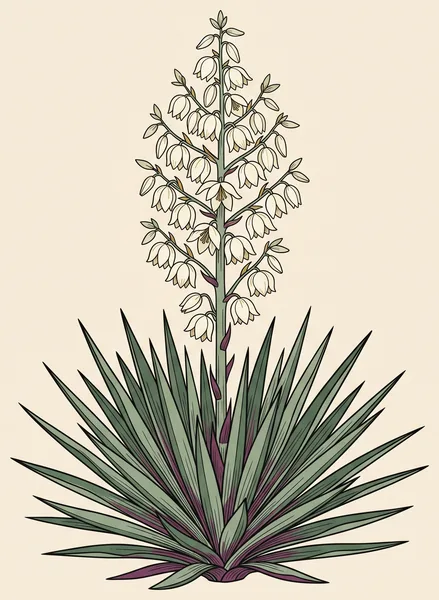 Yucca Yucca |
4–11 | 🟢 | Edible flowers and fruit; fiber and soap from the roots | Needle-sharp leaf tips — mind your eyes when weeding nearby. |
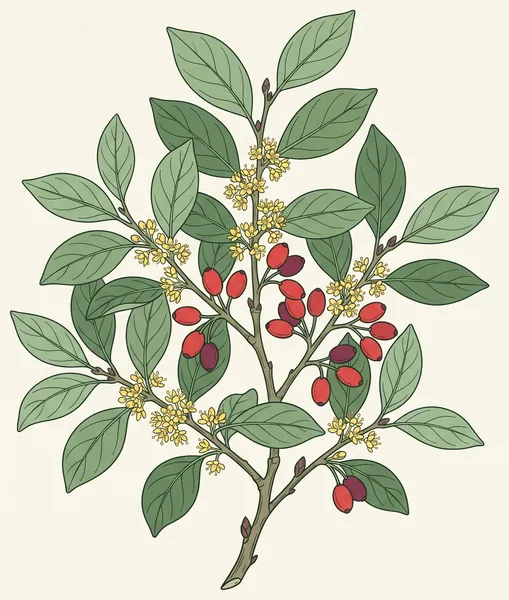 Spicebush Spicebush |
4–9 | 🟢 | Aromatic berries as an allspice-like seasoning; leaf tea | Harvest only the ripe red berries. |
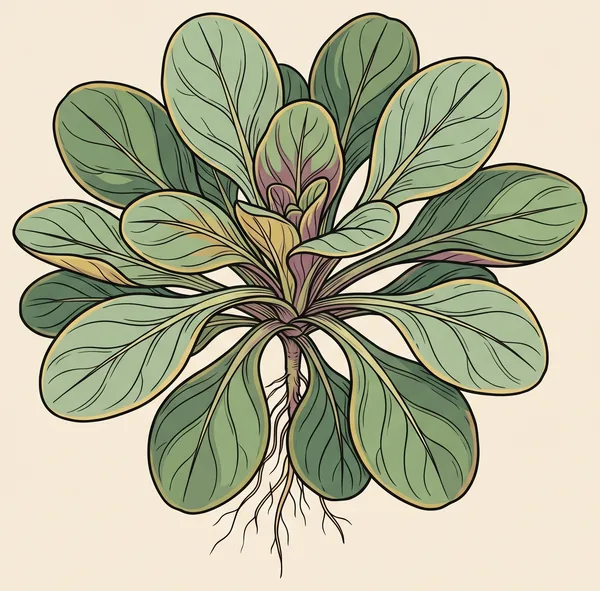 Mache (corn salad) Mache (corn salad) |
2–11 | 🟢 | A tender, nutty cool-season salad green | Entirely gentle — one of the easiest salad greens to grow. |
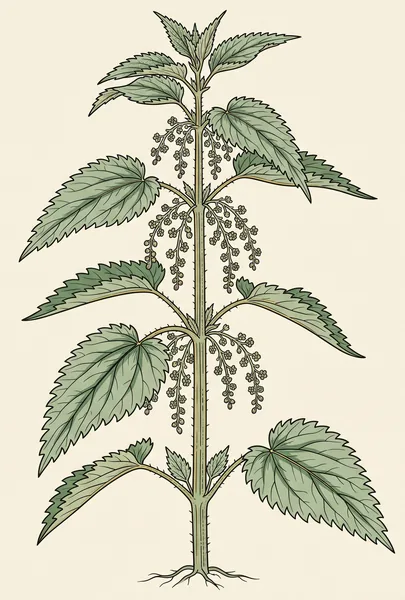 Stinging nettle Stinging nettle |
3–10 | 🟡 | A superb cooked green and tonic tea once the sting is gone | Stings on contact — wear gloves, and always cook or dry before eating. |
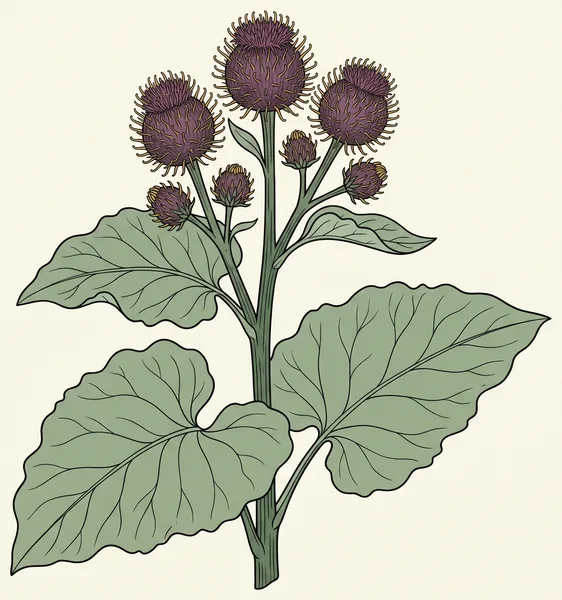 Burdock Burdock |
2–10 | 🟡 | Edible root (gobo) and a traditional tonic | Dig with care — first-year rosettes resemble toxic foxglove and belladonna. Know your plant. |
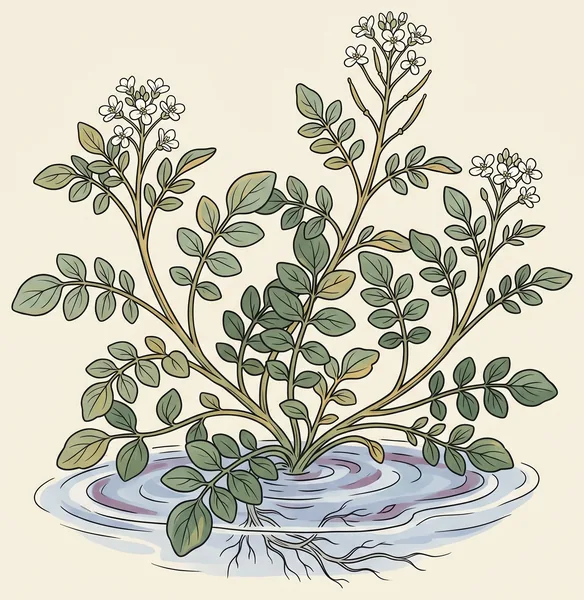 Watercress Watercress |
3–11 | 🟡 | Peppery, vitamin-packed edible green | Wild: only from clean water, and never confuse it with water hemlock or fool's watercress (toothed leaflets, umbrella-shaped flower clusters). Cook if unsure of the source. |
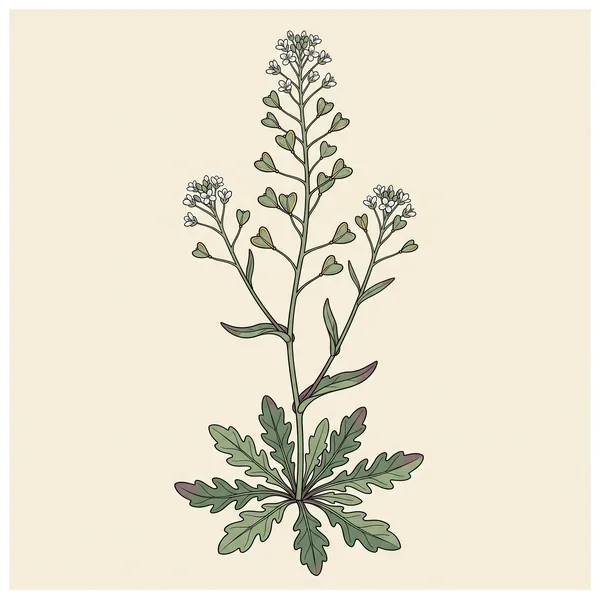 Shepherd's purse Shepherd's purse |
2–11 | 🟡 | Edible peppery leaves; a folk styptic herb | Strong action on circulation — not in pregnancy or with heart medication. |
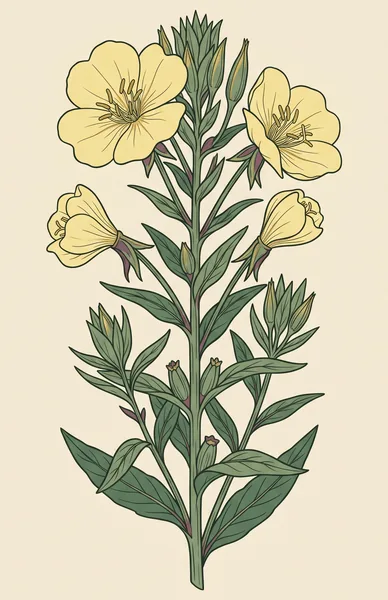 Evening primrose Evening primrose |
4–9 | 🟡 | Edible roots and shoots; the seed oil is a known supplement | The oil can interact with blood thinners and seizure medication. |
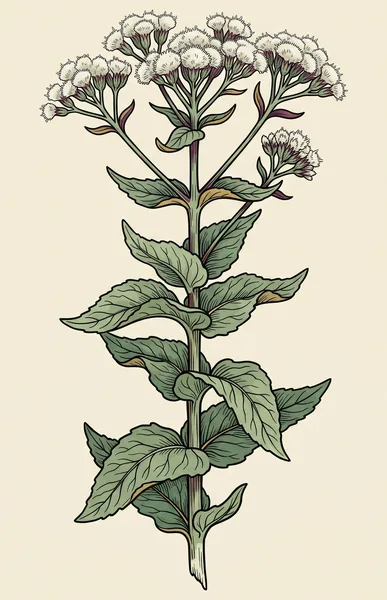 Boneset Boneset |
3–8 | 🟡 | A traditional fever and immune herb | Not a food. Contains liver-toxic alkaloids — short-term use only; not in pregnancy. The fresh plant can nauseate. |
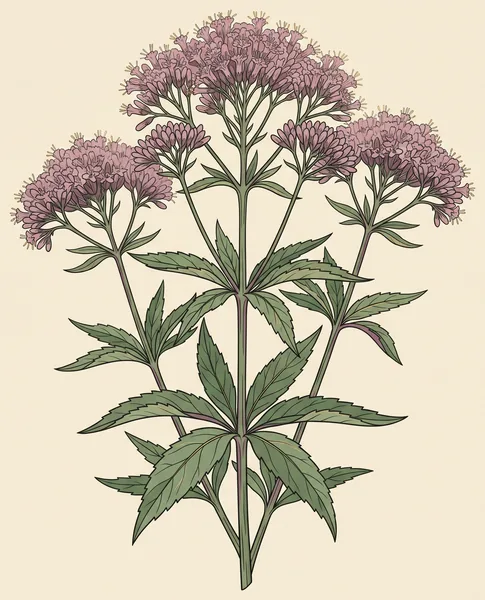 Joe-Pye weed Joe-Pye weed |
3–9 | 🟡 | A pollinator giant with a folk medicinal root | Medicinal use is potent and best left to those who know it; skip in pregnancy. |
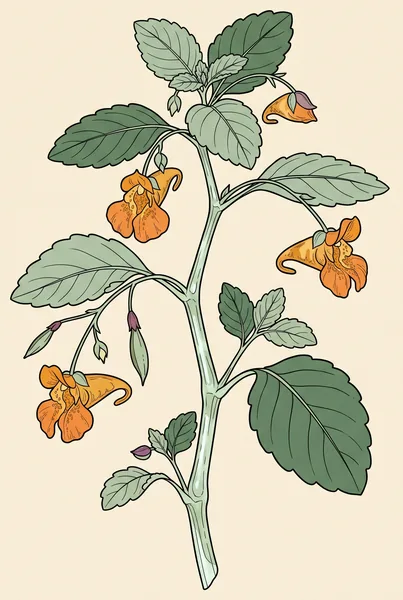 Jewelweed Jewelweed |
2–11 | 🟡 | The classic topical for poison-ivy rash and stings | Topical only — it's a remedy to rub on, not a food. |
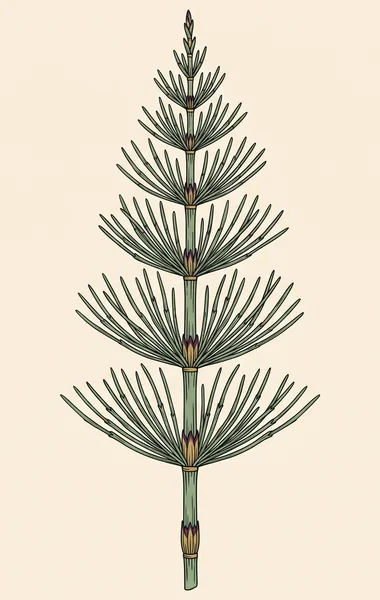 Horsetail Horsetail |
3–11 | 🟡 | Mineral-rich tea and a garden anti-fungal spray | Contains thiaminase — short courses only; and it's aggressively invasive. |
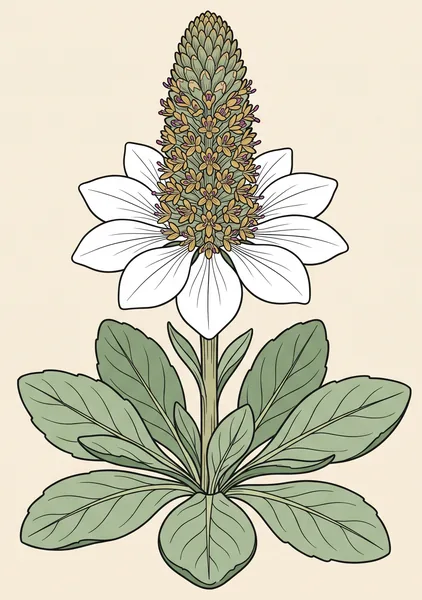 Yerba mansa Yerba mansa |
6–9 | 🟡 | A Southwestern folk medicinal root | A potent astringent and a specialist's herb — not a casual tea. |
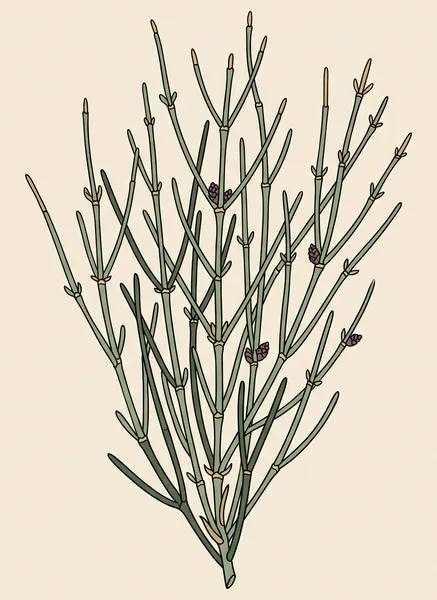 Mormon tea Mormon tea |
5–10 | 🟡 | A desert tea brewed from the jointed stems | It's a mild stimulant (ephedra family) — go easy, and skip it with heart or blood-pressure issues. |
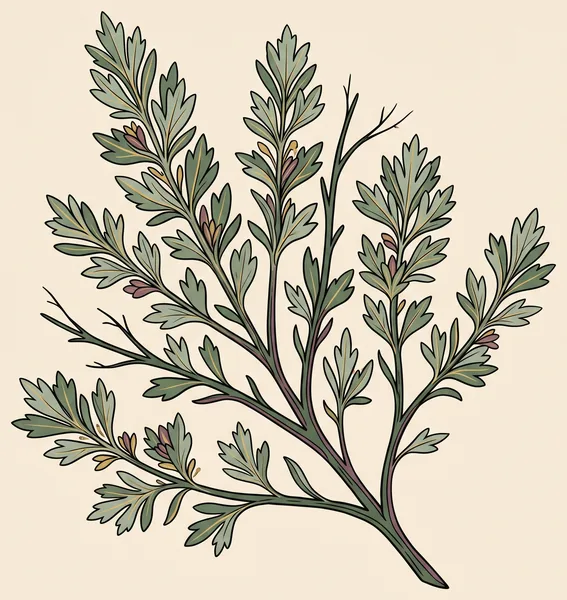 Big sagebrush Big sagebrush |
4–10 | 🟡 | Aromatic desert shrub for smudge and folk washes | Strong oils — not for internal use, and not the "sage" of the kitchen. |
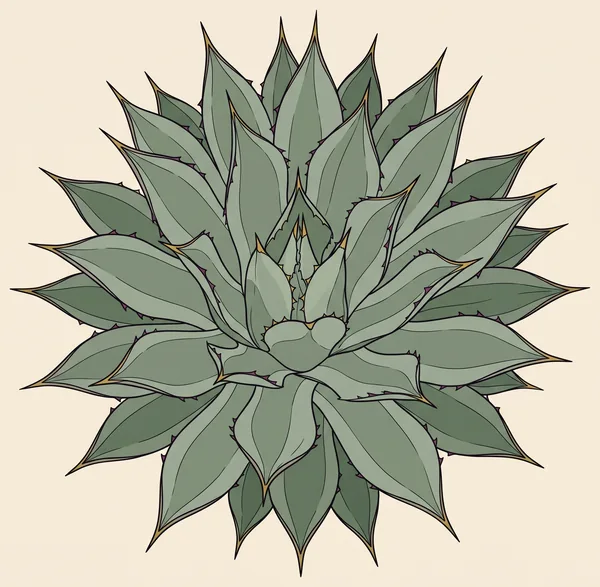 Agave Agave |
8–11 | 🟡 | Fiber, a cooked-heart sweetener, and a striking dry-garden plant | Raw sap stings skin and mouth (needle-like oxalate crystals) — it must be cooked. Sharp spines. |
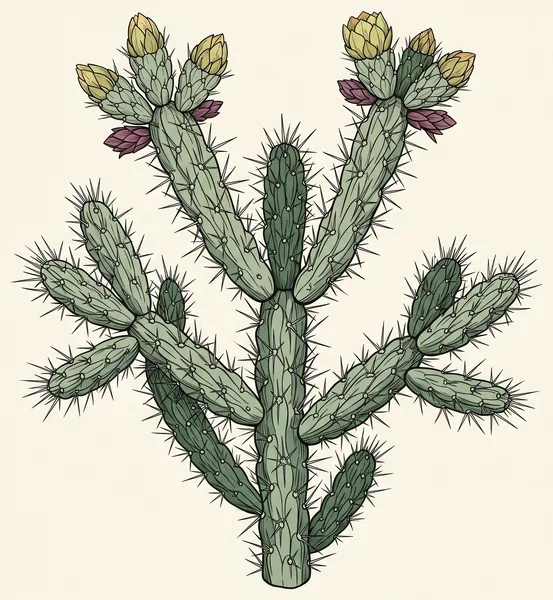 Cholla cactus Cholla cactus |
8–11 | 🟡 | Edible buds (de-thorned and cooked); desert wildlife habitat | Barbed glochids are miserable to handle — process very carefully. |
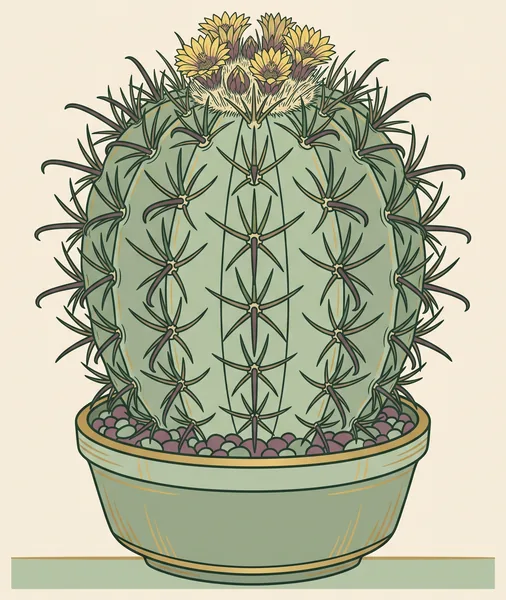 Barrel cactus Barrel cactus |
9–11 | 🟡 | Desert survival lore — the fruit, not "water" | The "drink the barrel" myth is false: the pulp is bitter and can sicken you. Hooked spines. |
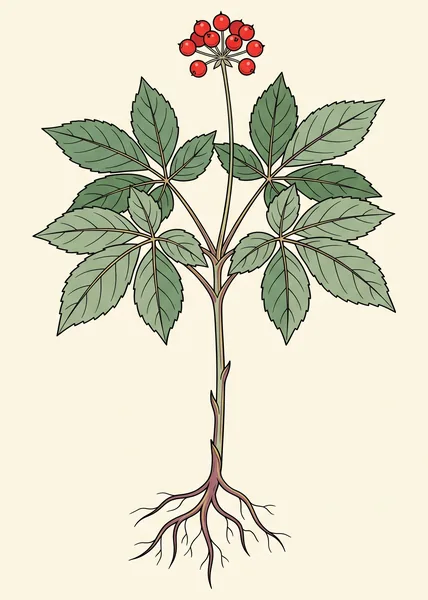 American ginseng American ginseng |
3–7 | 🟡 | A prized adaptogenic woodland root | Threatened in the wild — buy cultivated, never wild-dig; real dosing and drug-interaction cautions. |
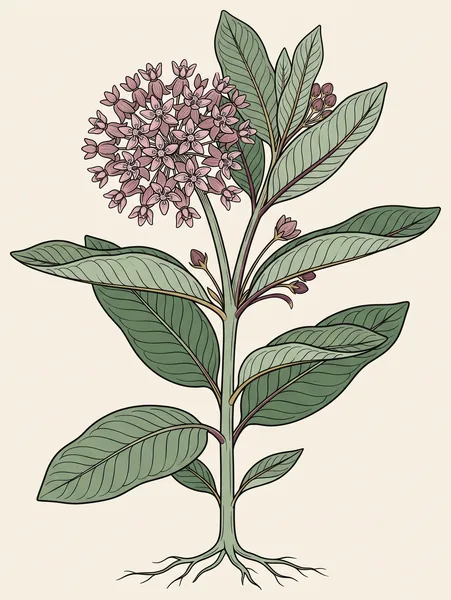 Milkweed Milkweed |
3–9 | 🟡 | The essential monarch host plant | Grow it for butterflies, not the plate — parts are toxic raw and it resembles toxic dogbane. |
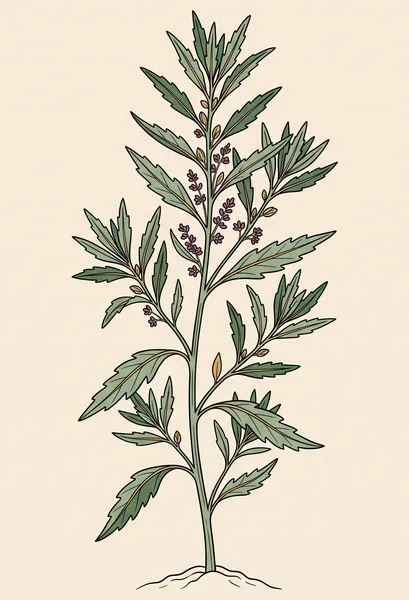 Epazote Epazote |
8–11 | 🟡 | A Mexican culinary herb for beans and quesadillas | Use small culinary amounts only — the concentrated oil is toxic, and not for pregnancy. |
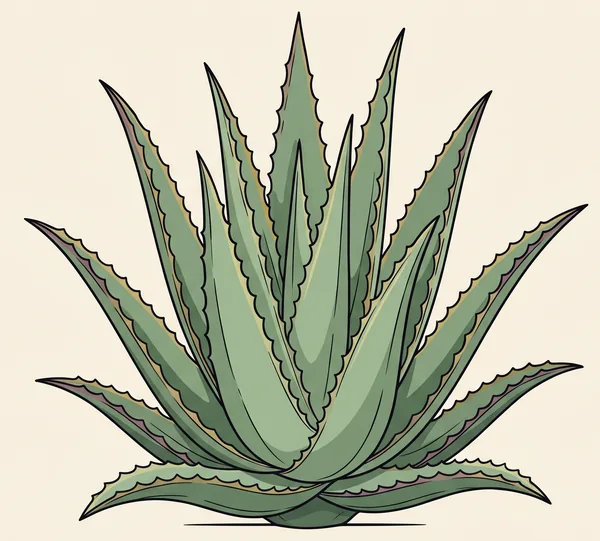 Aloe vera Aloe vera |
9–11 | 🟡 | Topical gel for minor burns and scrapes; an easy potted succulent | Topical only — never eat the raw leaf; the sap under the skin is a harsh laxative. Not hardy outdoors below zone 9. |
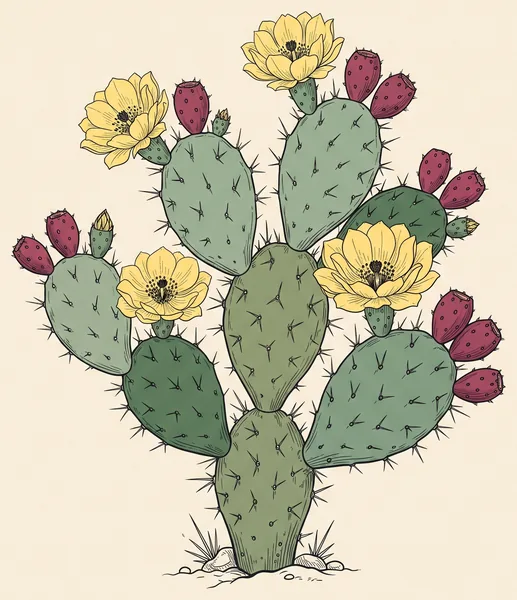 Prickly pear Prickly pear |
4–11 | 🟡 | Edible pads (nopales) and sweet fruit (tunas); tough and drought-hardy | Handle with tongs — the tiny barbed glochids are worse than the spines. Singe or peel them off first. |
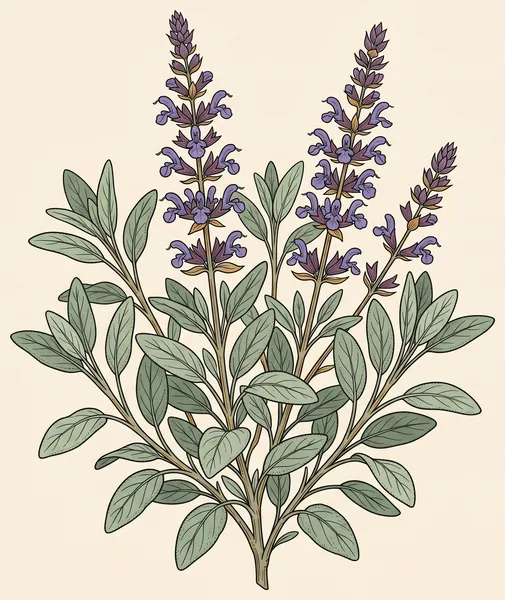 Garden sage Garden sage |
4–8 | 🟡 | Kitchen herb — savory dishes, poultry, and tea | Contains thujone — fine as food or tea, but avoid large medicinal doses (and the oil) in pregnancy. |
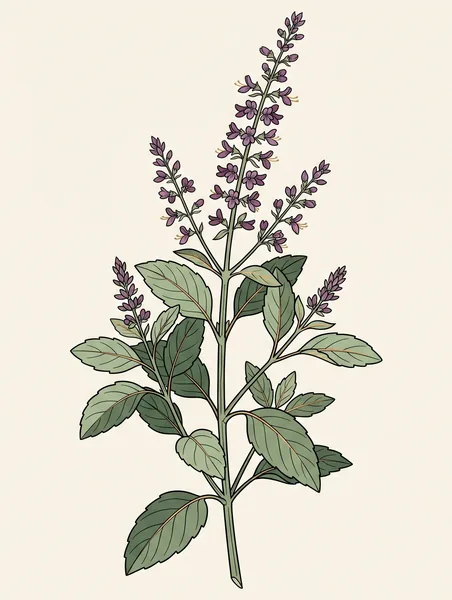 Holy basil (Tulsi) Holy basil (Tulsi) |
2–11 | 🟡 | A fragrant, clove-scented tea herb and adaptogen; grown as an annual | May lower blood sugar and affect fertility — ask a provider first if pregnant, trying to conceive, or on medication. Grow it like basil. |
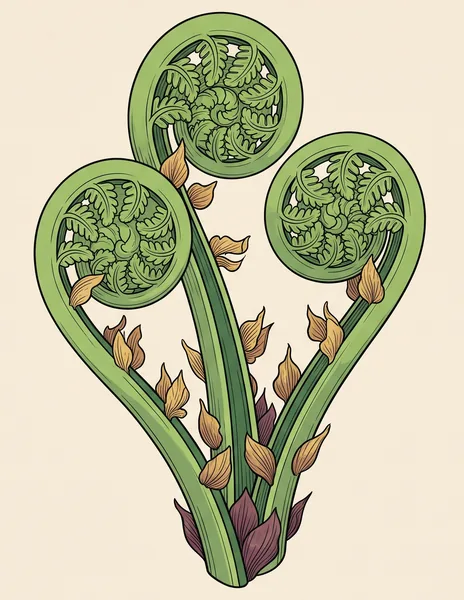 Ostrich fern fiddleheads Ostrich fern fiddleheads |
3–7 | 🟡 | The classic spring fiddlehead vegetable | Boil 15 minutes (throw out the water) or steam 10–12 minutes before any other cooking. Never raw — and only true ostrich fern. |
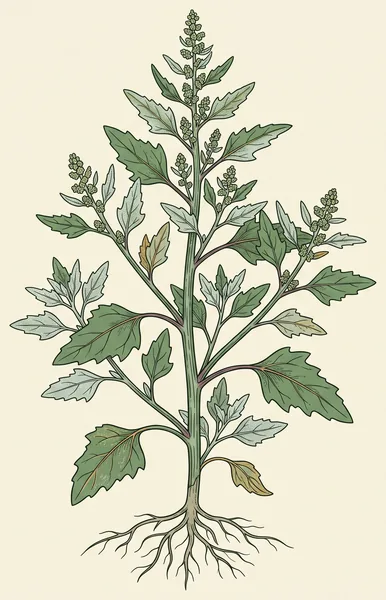 Lamb's quarters Lamb's quarters |
2–11 | 🟡 | A mild, spinach-like wild green — a nutritional powerhouse | Cook it and eat in moderation (oxalates); wash grit from the leaves. Young nightshade seedlings look similar — lamb's quarters has a white mealy coating on new leaves; nightshade doesn't. |
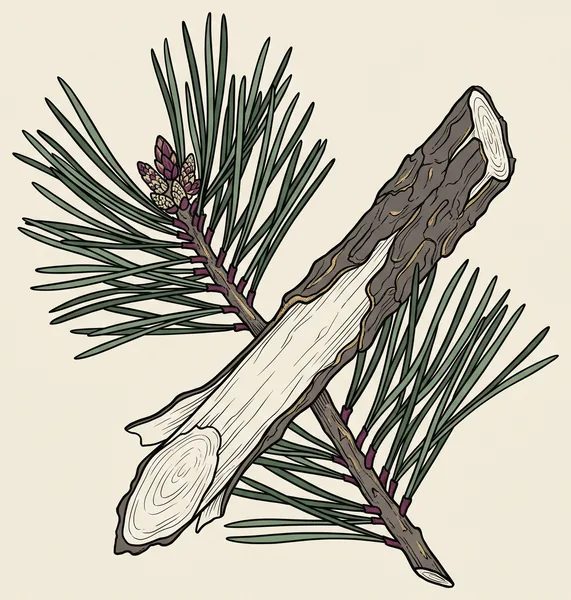 Pine (needles & inner bark) Pine (needles & inner bark) |
2–9 | 🔴 | Vitamin-C needle tea and edible inner bark — a survival staple | Confirm it is a true pine — needles in bundles of 2, 3 or 5. Never yew: its needles are flat, single, plain pale green underneath — any flat single needle, don't use it. Skip ponderosa and lodgepole needle tea in pregnancy. |
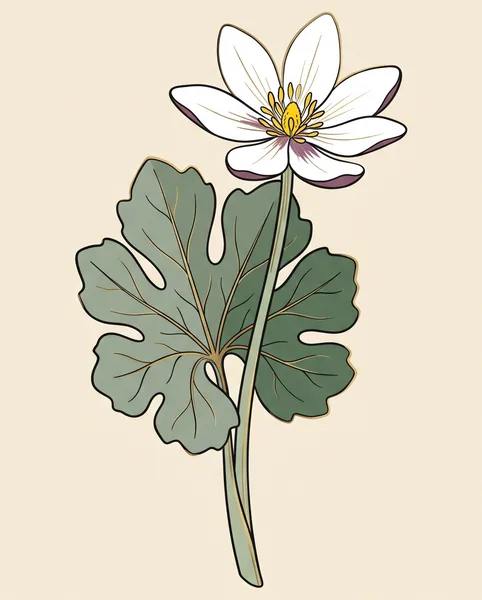 Bloodroot Bloodroot |
3–8 | 🔴 | A woodland wildflower; historic dye and folk topical | Toxic — the orange sap is caustic. Not for home remedies. Enjoy it in bloom. |
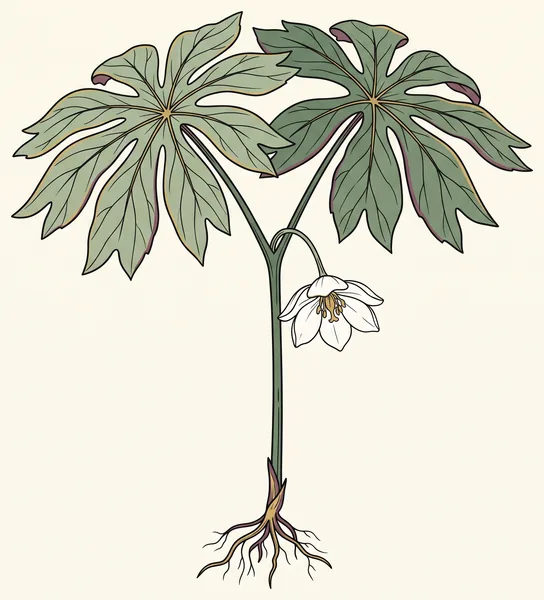 Mayapple Mayapple |
3–8 | 🔴 | Woodland groundcover; only the fully ripe fruit is edible | Leaves, roots, seeds, and unripe fruit are poisonous. Best admired, not eaten. |
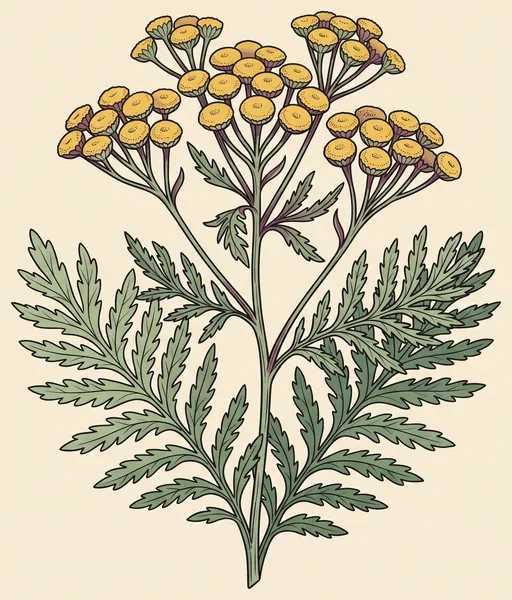 Tansy Tansy |
3–9 | 🔴 | Historic strewing and insect-repelling herb; button flowers | Contains thujone — toxic in quantity and an abortifacient. Not for internal use. |
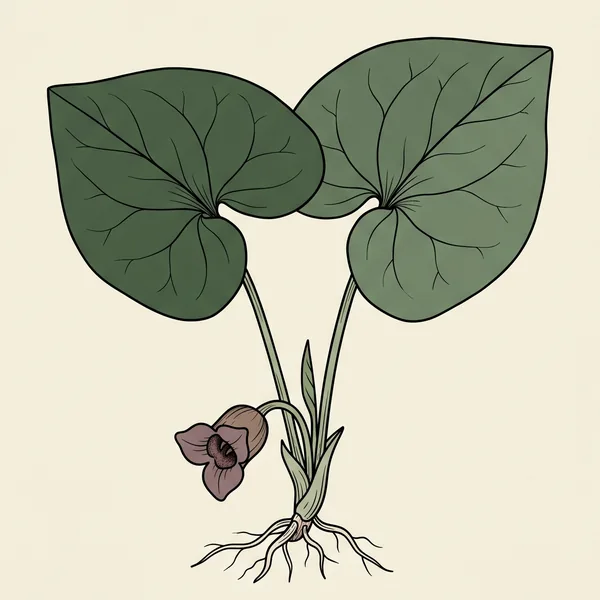 Wild ginger Wild ginger |
3–7 | 🔴 | A woodland groundcover with a ginger-like scent | Contains aristolochic acid (kidney-damaging, carcinogenic) — do not eat, despite old flavoring lore. |
Hover any illustration for a closer look. This page pairs with the foraging and medicinal guides — start there for the safety-first basics before you harvest anything.